Introduction
Industrial projects require tubes that are appropriate for the conditions in which they will operate and the equipment they will be used with. One of the choices that has to be made early on is the material from which the tubes will be produced. Carbon and alloy steel tubes are both used in a variety of industrial applications, but the grade, dimensions, mechanical properties, environment, and applicable specification all have to be taken into account.
Understanding what distinguishes them allows buyers, engineers, and procurement teams to select the products that best meet the needs of their equipment and application.
What Are Carbon Steel Tubes?
Carbon steel is a kind of steel in which carbon is the main alloying element, apart from iron and trace amounts of other elements.
Carbon steel tubes and carbon steel pipes can be manufactured in a number of different grades, each of which entails specific mechanical and chemical requirements.
A carbon steel pipe is used in a variety of industrial applications, provided the material grade is appropriate for the conditions in which it will operate. The selection depends on the intended application, required dimensions, operating conditions, and applicable product specification.
What Are Alloy Steel Tubes?
Alloys are the result of combining two or more elements. In the case of alloy steel, additional elements are introduced into the final product in specified quantities to give the material certain desirable properties.
Depending on the grade, these can include chromium, molybdenum, nickel, manganese, and others.
Alloy steel tubes are part of a broad material category. Alloy steel is not one specific material, but rather a group of products with different properties depending on their intended application. Similarly, an alloy steel pipe must be selected according to its material grade, operating conditions, and required mechanical and chemical properties.
As with carbon steel, the choice of grade is dictated by the application conditions and requirements.
Carbon Steel vs Alloy Steel – Understanding the Differences
Chemical Composition
In terms of chemical composition, carbon steel and alloy steel have different characteristics.
The exact composition is defined by the grade to which the material belongs. It is essential to specify the required grade in the purchase specification rather than simply identifying the product as carbon or alloy steel.
Mechanical Properties
The mechanical properties of both categories of material vary depending on the grade. Different grades have different strength and hardness characteristics, as well as levels of toughness, malleability, and other qualities relevant to the application.
It is misleading to think that any alloy steel will perform better than carbon steel. The suitability depends on the requirements of the application and the properties of the grades on offer.
Temperature and Service Conditions
The operating temperature is one of the factors that dictate the choice between carbon steel and alloy steel for an industrial application.
One category of material may be more suitable for high-temperature service than another, depending on the grade. Certain alloy steels are designed specifically for applications involving elevated temperatures. Carbon steel grades, on the other hand, are suitable for a wide range of other applications.
Corrosion and Chemical Environment
The environment in which the tubes will operate should also be taken into consideration. Some alloying elements can improve resistance to particular forms of corrosion, but the tubes should be selected with reference to the environment in which they will be used rather than simply on the basis of the general category of material.
Where chemical compatibility is an issue, the buyer should take the relevant process and engineering requirements into account to determine the most appropriate type of steel tubing.
Five Factors to Consider When Choosing Industrial Steel Tubes
Selecting the right industrial steel tubes requires evaluating the application, material grade, dimensions, operating conditions, and inspection requirements.
1. Requirements of the Application
Before choosing between carbon steel or alloy steel, it is necessary to consider what the tubes will be used for.
A heat exchanger, boiler, hydraulic cylinder, automotive component, or process system each has different requirements in terms of materials, dimensions, and standards.
2. Material Grade
It is then necessary to choose the grade of steel that will be used for the tubes. The grade defines the mechanical and chemical properties of the material. This allows the manufacturer to understand which material is required for production.
3. Dimensions and Tolerances
The outside diameter, wall thickness, length, and tolerances should then be specified. In some cases, it may also be necessary to stipulate inside diameter, straightness, ovality, external and internal surface characteristics, and other requirements. These dimensions should be based on the equipment design or drawing.
4. Operating Conditions
The pressure and temperature to which the tubes will be exposed, the characteristics of the fluid or gas that will flow through them, any other mechanical or thermal loads, and the general environment in which they will be situated are all relevant factors.
These considerations help determine whether the selected carbon and alloy steel tubing meets the requirements of the intended application.
5. Standards and Testing
The applicable product standard and the testing and inspection requirements should be stipulated. As appropriate to the standard and conditions, these can include chemical and mechanical tests, dimensional inspection, hydrostatic testing, non-destructive testing, and other procedures.
Why Wall Thickness and Dimensions Matter
The dimensions of a tube are important in terms of its ability to fit into an assembly or piece of equipment.
In the case of pressure-containing applications, wall thickness is particularly relevant because the design has to account for pressure as well as other potential loads. However, wall thickness is not chosen at random. The applicable engineering design and specification determine it.
The same applies to outside diameter, length, and other dimensional characteristics. These are not arbitrary choices but are based on the intended application.
Seamless Carbon and Alloy Steel Tubes
Seamless tubes are those in which the wall is formed without a longitudinal weld seam.
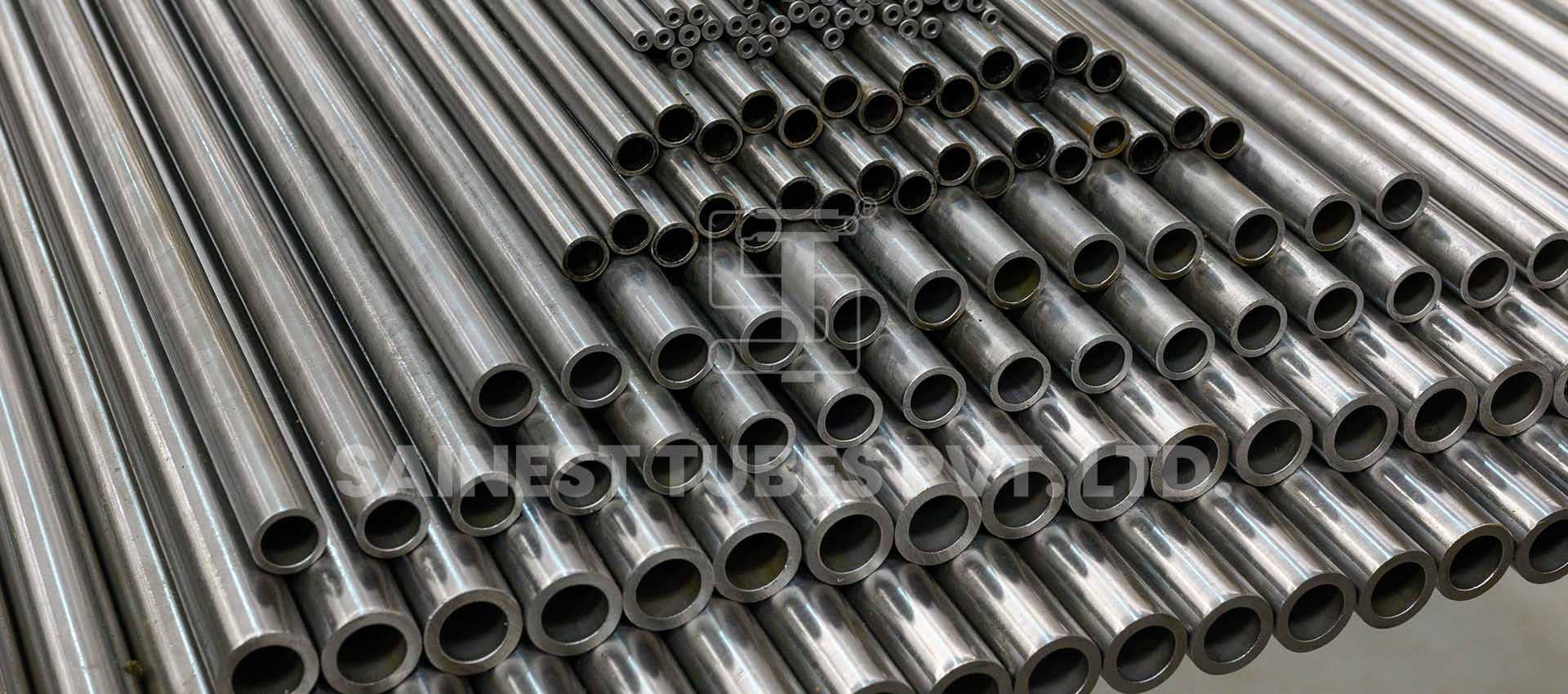
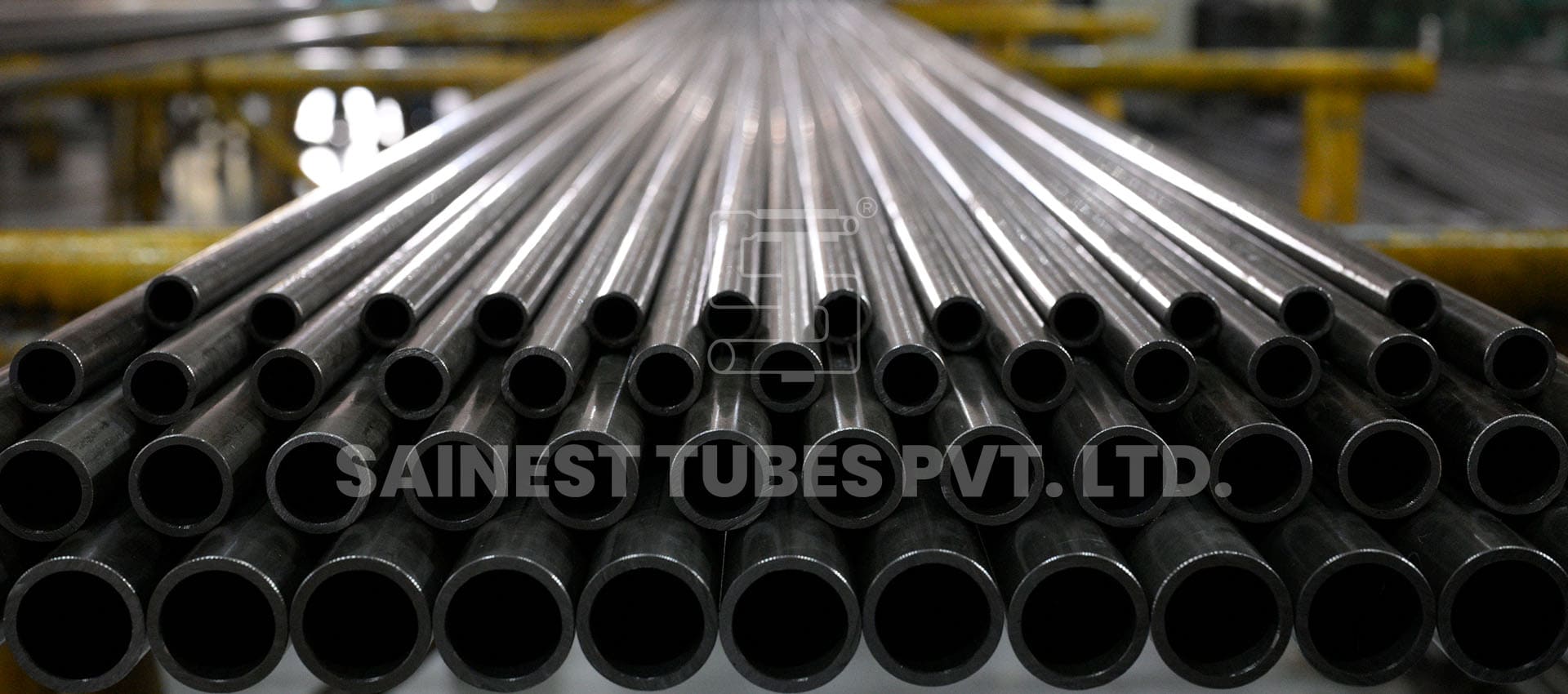
Both carbon steel and alloy steel seamless tubes are available in a range of dimensions and grades suitable for different applications. These carbon and alloy steel tubes are selected according to the application, applicable standard, material grade, and other technical factors.
The term seamless denotes the method of production and does not, by itself, indicate a particular level of pressure resistance or other material properties.
What Should Buyers Include in a Purchase Specification?
A full purchase specification should stipulate the following:
- Product type and intended application.
- Material grade and applicable standard.
- Outside diameter and wall thickness.
- Length and dimensional tolerances.
- Heat-treatment requirements.
- Surface condition.
- Testing and inspection requirements.
- Marking and documentation.
- Quantity, packing, and delivery requirements.
This will allow the manufacturer to plan the production process and any inspection procedures based on the buyer’s requirements.
Carbon and Alloy Steel Tubes at Sainest
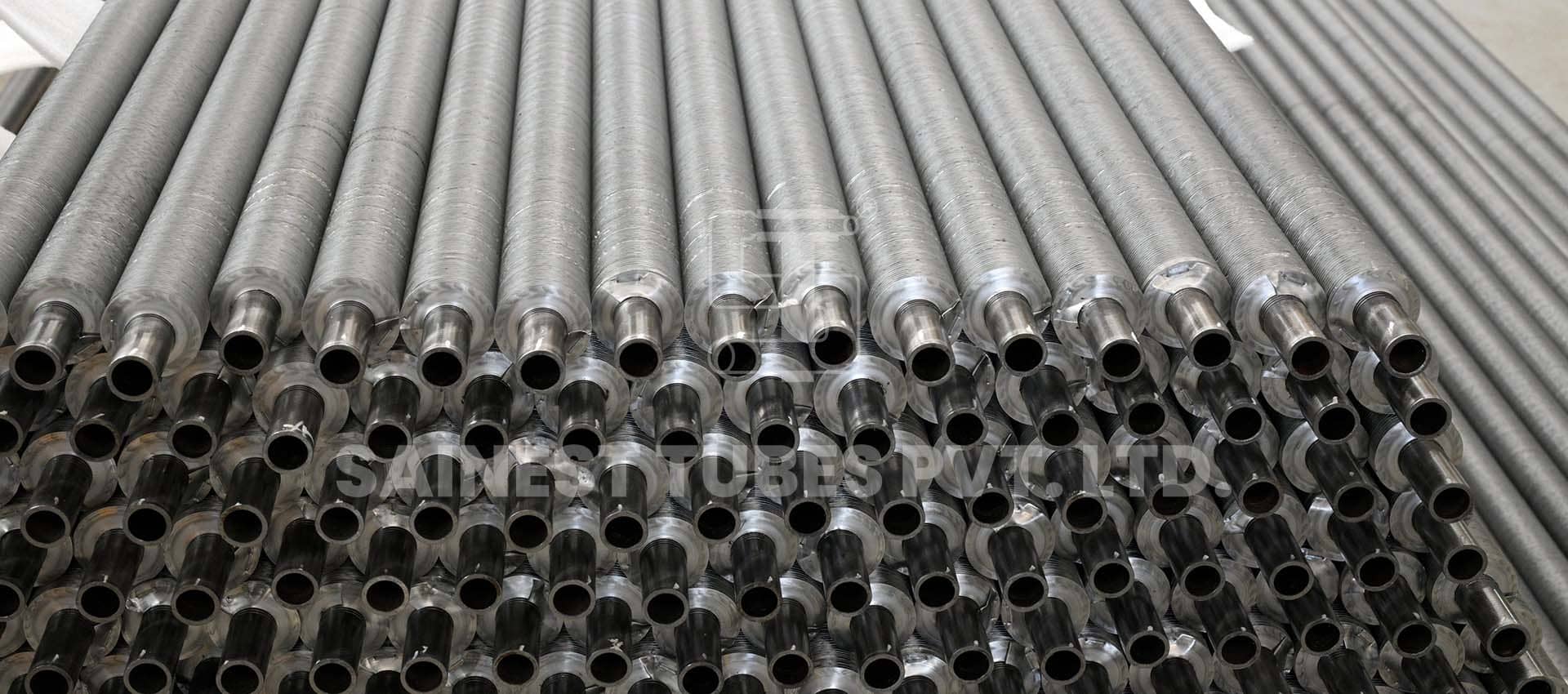
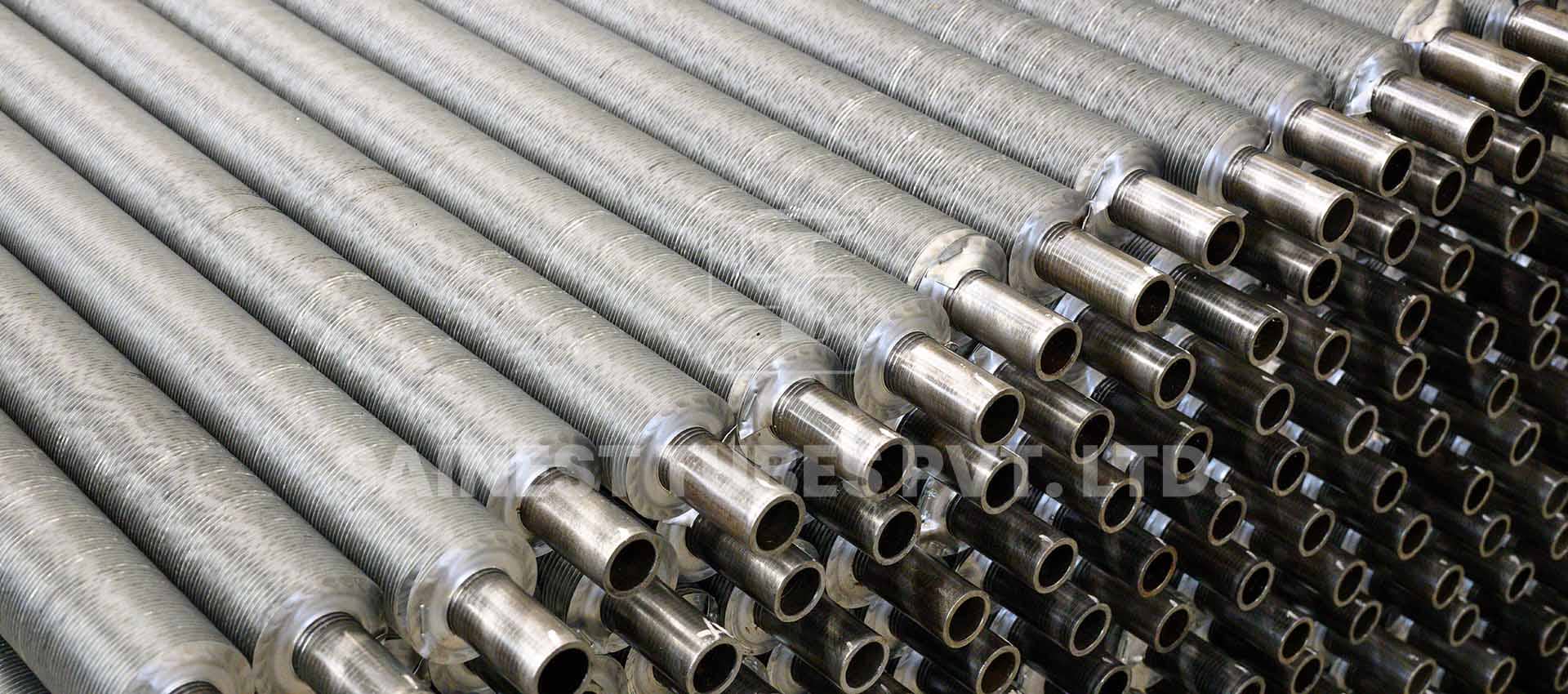
Sainest Tubes manufactures carbon steel and alloy steel seamless tubes and pipes for a variety of industrial applications. Its products include heat exchanger tubes, U-bend tubes, fin tubes, hydraulic cylinder tubes, and other products for industrial equipment and processes.
Buyers looking for carbon steel tubes, alloy steel tubes, or other forms of industrial steel tubes should identify the application for which they require the products and specify the material grade, dimensions, manufacturing condition, and inspection requirements.
Sainest Tubes’ product range provides options for industrial buyers seeking carbon and alloy steel tubing for applications with defined technical and dimensional requirements. Buyers should confirm the specifications of the particular product required before placing an order.
Conclusion
The difference between carbon steel tubes and alloy steel tubes has to be understood on the basis of more than just the names of the materials. Selection should be informed by the requirements of the application, including material grade, operating environment, dimensions, applicable standard, and other technical factors.
Sainest Tubes manufactures seamless carbon steel and alloy steel tubes and pipes for industrial applications. With products including heat exchanger tubes, U-bend tubes, fin tubes, and hydraulic cylinder tubes, the company offers options for buyers seeking products that meet the requirements of their equipment and applications. The final selection should always be based on the applicable product specification and verified manufacturing capabilities.