Introduction
One of the first considerations when specifying an industrial tube is the material. Carbon steel and alloy steel are two such commonly-applied materials, but they are not always interchangeable options. Explaining the difference between carbon steel and alloy steel involves examining the chemical make-up, mechanical properties, temperature, pressure, corrosion, and application.
In this article, the difference between carbon steel and alloy steel will be explored. Furthermore, common applications and considerations for a buyer seeking to choose between carbon steel tube or alloy steel tube will also be discussed.
What Is Carbon Steel?
Carbon steel is a steel material in which carbon is a major alloying element. Carbon steel's composition is generally based on iron and carbon with controlled amounts of other elements.
A carbon steel tube can be produced in different grades with specific chemical and mechanical requirements. Carbon steel is a popular choice due to its ability to provide a balanced mix of strength, manufacturability, availability, and cost for many industrial applications.
Not all carbon steel grades are compatible with all service conditions. The grade and standard must be identified according to the application.
What Is Alloy Steel?
Alloy steel is steel that contains additional alloying elements in specific percentages to obtain certain desirable properties. Depending on the grade, alloying elements in alloy steel can include chromium, molybdenum, nickel, manganese, and others.
An alloy steel tube can be considered when an application requires certain mechanical or service characteristics that are best met by a specific alloy steel grade.
While the term alloy steel covers a wide range of materials, a particular grade of alloy steel should always be identified.
Carbon Steel vs Alloy Steel: What Is the Difference?
The main difference is the chemical composition. Carbon steel relies on carbon as a primary alloying element with controlled amounts of other elements, while alloy steel includes additional alloying elements to provide specific properties.
The key difference from the perspective of a buyer, however, extends beyond the number of alloying elements. The difference is in how the grade that has been specified will perform under the service conditions that have been identified.
Material Composition
The chemical composition of the steel dictates many of its properties. With regard to carbon steel, the carbon content and other elements should conform to the requirements of the specified grade. With regard to alloy steel, the additional elements are identified according to the grade.
This is why the grade should always be specified in a tube specification.
Mechanical Properties
The mechanical properties of the steel are equally important. Depending on the grade, both carbon steel and alloy steel can possess different combinations of strength, hardness, toughness, and other mechanical properties.
As such, specifying whether a steel is carbon or alloy is not sufficient. For one application, a certain carbon steel grade might be preferable over a particular alloy steel grade. For another application, the reverse might be true.
Temperature and Service Conditions
The operating temperature is another important factor to take into consideration. Certain grades of alloy steel are specifically designed for certain service temperature ranges.
Once again, however, the choice of the material grade is not the only consideration. Engineers should consult the applicable standard and design specification for the correct choice of material.
Corrosion and Chemical Environment
The chemical environment is also a determining factor. While certain alloying elements can contribute to the performance of the material in a specific environment, the corrosion resistance cannot be assumed simply because a material is made of alloy steel.
The chemical environment, temperature, concentration, pressure, and exposure conditions should always be reviewed.
Applications of Carbon Steel Tubes
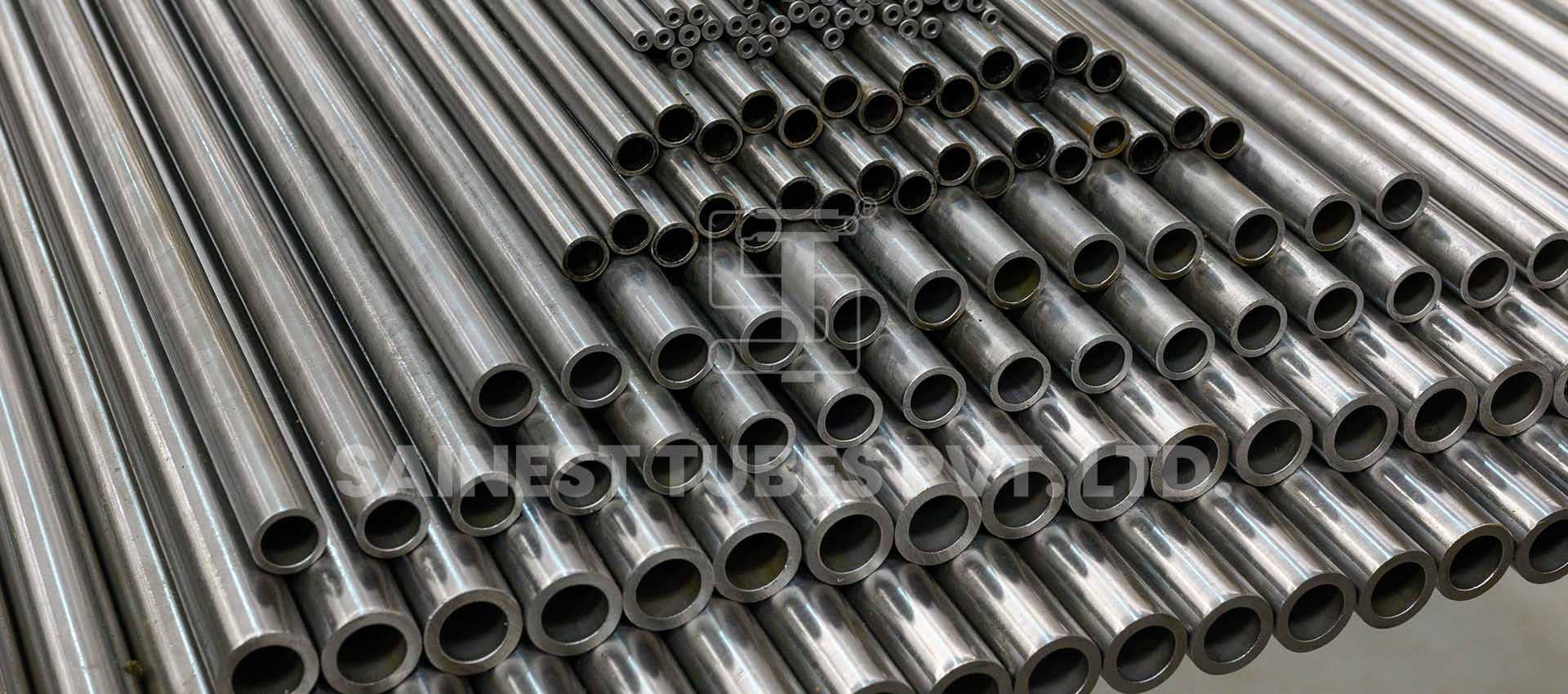
Carbon steel seamless tubes can be produced for a variety of industrial applications. They can be produced for use in boilers, heat exchangers, process equipment, machinery, structures, and many other applications.
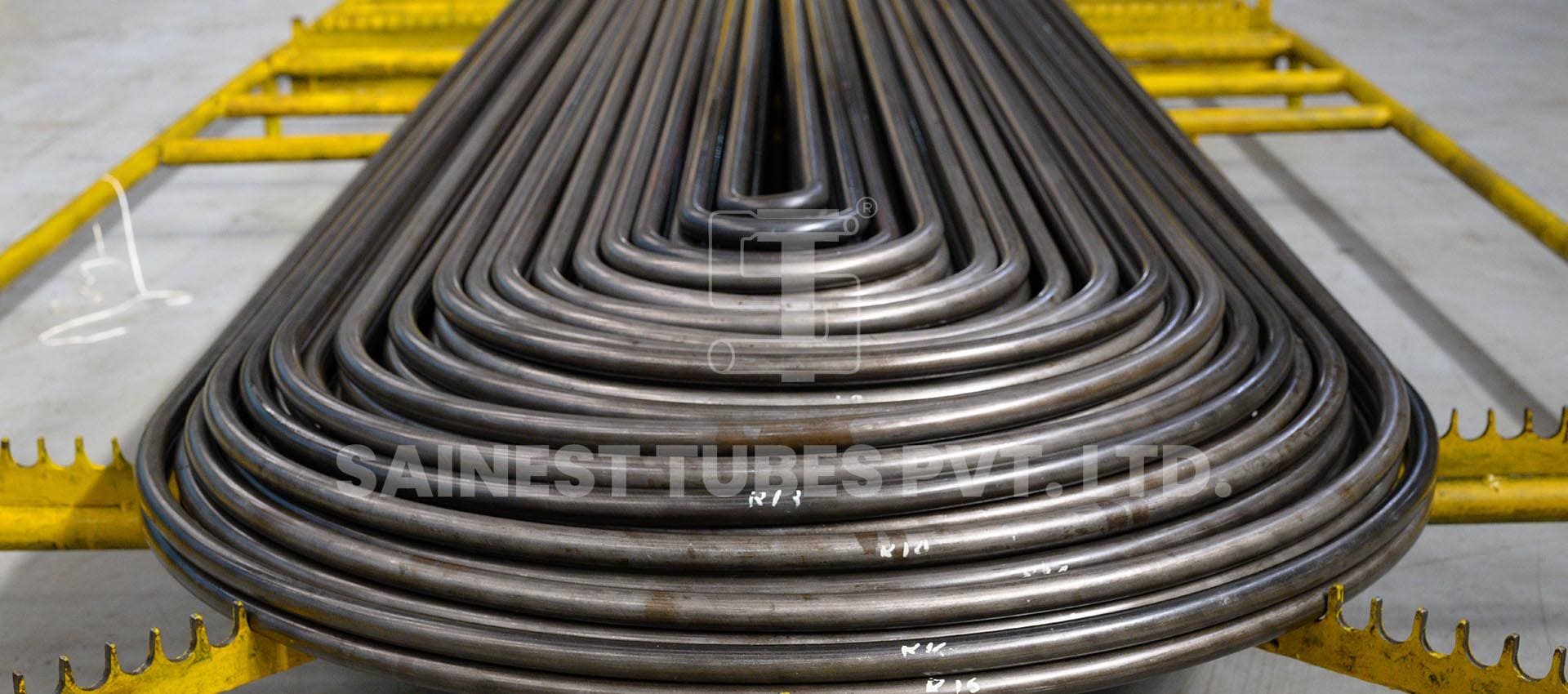
As long as the grade is compatible with the service conditions, a carbon steel heat exchanger tube or any other carbon steel seamless tube can be produced.
Applications of Alloy Steel Tubes
Alloy steel seamless tubes can also be produced for a variety of industrial applications. Once again, the choice of the material is driven by the application and the required service conditions.
Alloy steel grades can be chosen according to specific temperature, pressure, mechanical, and other requirements.
Which One Should You Choose?
There is no clear winner in the choice between carbon steel and alloy steel. Instead, a series of questions should be asked and answered prior to making a choice:
- What is the operating environment? In other words, what are the temperature, pressure, chemical, mechanical, and other service conditions?
- What properties are required? In other words, what are the tensile strength, yield strength, hardness, and other requirements?
- What standard applies? In other words, what are the requirements for chemical composition, dimensions, mechanical properties, testing, and other aspects of the material?
- What does the equipment manufacturer specify? If the application is for a specialised piece of equipment, the original equipment manufacturer's (OEM) requirements should be specified.
Why Grade Matters More Than the Material Name
One of the most important considerations when choosing between a carbon steel pipe and an alloy steel pipe is the fact that the choice between two broad categories of steel is not sufficient. A specific grade of steel always needs to be chosen.
For example, simply specifying "alloy steel" will not be enough to manufacture a seamless tube or pipe, because "alloy steel" is a broad category that includes materials with varying chemical compositions. The same applies to carbon steel – a specific grade of carbon steel always needs to be specified.
Stainless Tubes and Material Selection
Sainest Tubes manufactures both carbon steel and alloy steel seamless tubes and pipes for a variety of industrial applications. Sainest Tubes' product range covers tubes for heat exchangers, boilers, hydraulic applications, automotive applications, and many other specialised applications.
The choice of materials is driven by the grade, dimensions, standard, application, and inspection requirements.
Conclusion
The choice between carbon steel and alloy steel is not a simple choice between two broad categories of steel. Instead, the choice should be informed by the differences between specific grades of steel. Temperature, pressure, chemical environment, mechanical properties, and standards are some of the key considerations in the choice between carbon steel and alloy steel.
At Sainest Tubes, both carbon steel and alloy steel seamless tubes are produced as part of the company's range of products for different industrial applications.