Introduction
Industrial tubing solutions often need to meet precise dimensional tolerances and other material characteristics. Cold drawing is a manufacturing process that reduces a tube’s dimensions and achieves the properties required by a product specification. Cold drawn seamless tubes are applicable to a range of different industries that specify controlled dimensions and a defined manufacturing route.
Understanding how cold drawn tubes are manufactured supports informed purchasing decisions and highlights the benefits of selecting these products. Factors such as material grade, initial dimensions, drawing requirements, heat treatment and inspection all affect the finished tube.
What Are Cold Drawn Seamless Tubes?
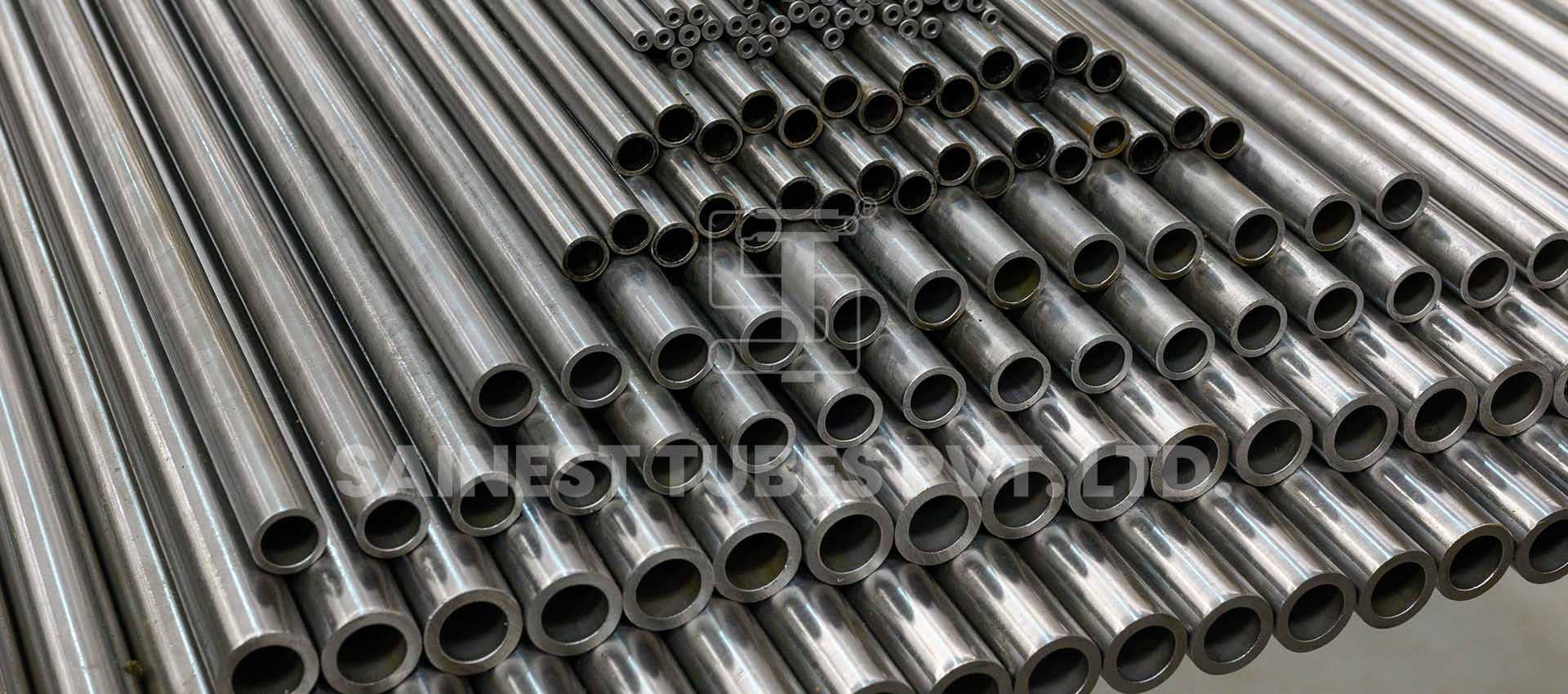
Cold drawn seamless tubes are seamless tubes that are drawn to reduce their dimensions or achieve specified dimensional and surface characteristics. A cold drawn seamless tube is manufactured by drawing a tube through a die, and possibly over a mandrel or plug, to reduce the tube’s outside diameter, wall thickness or internal diameter.
The process usually involves a tube blank that is drawn through a die to achieve the required dimensions. The tube’s description refers to both the seamless construction method and the cold-drawing process. The material, drawing conditions and any subsequent heat treatment determine the finished material properties.
How Does Cold Drawing Work?
1. Preparation of the Starting Tube
The process begins with the preparation of a suitable tube. The material, dimensions and condition of the tube blank must be suitable for the drawing process.
Surface preparation and lubrication may be required depending on the drawing method.
2. Drawing Through a Die
The tube is drawn through a die that reduces or controls its dimensions. If the process requires control of internal diameter and wall thickness, a mandrel or a plug may be used.
The drawing process is defined at the outset, depending on the desired dimensions and the material characteristics.
3. Intermediate Processing
Depending on the degree of reduction and the material used, multiple stages of drawing may be necessary.
Intermediate heat treatment or other processing may also be necessary depending on the requirements of the finished tube.
4. Finishing and Inspection
Prior to inspection, the finished tube may require heat treatment, straightening, cutting and other finishing operations.
The process will vary depending on the grade, dimensions, application and product specifications.
Benefits of Cold Drawn Steel Tubes
Dimensional Control
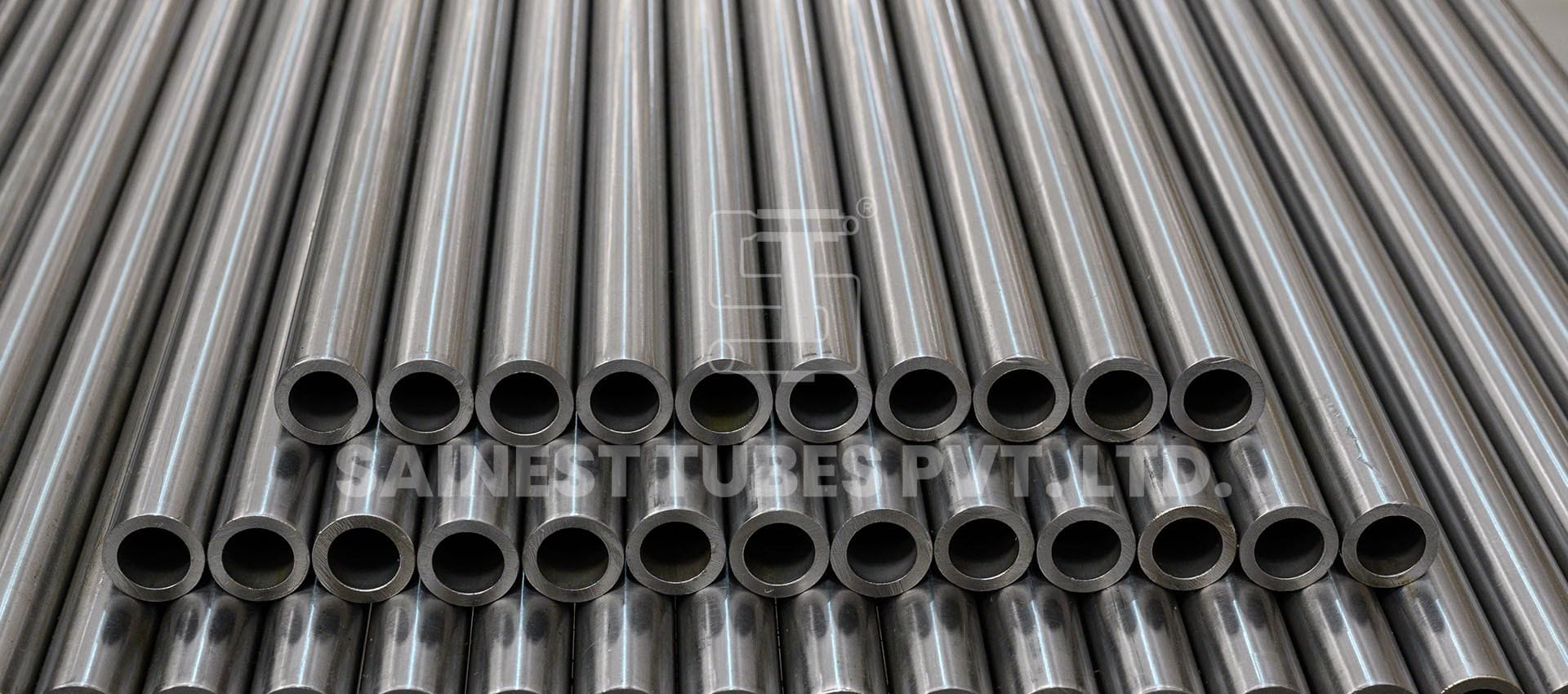
The cold drawing process enables specified dimensional tolerances. This is beneficial when a cold drawn steel tube must fit assemblies or equipment with defined specifications.
Surface Characteristics
The drawing process produces controlled surface characteristics. The surface condition depends on the starting tube, the die, lubrication, the drawing process and any subsequent finishing.
Mechanical Properties
The cold working of the material affects the mechanical properties of the finished tube. If a particular condition is required, heat treatment can be incorporated into the manufacturing route.
The properties specified should be checked in relation to the relevant specification to which the tube must conform.
Product Consistency
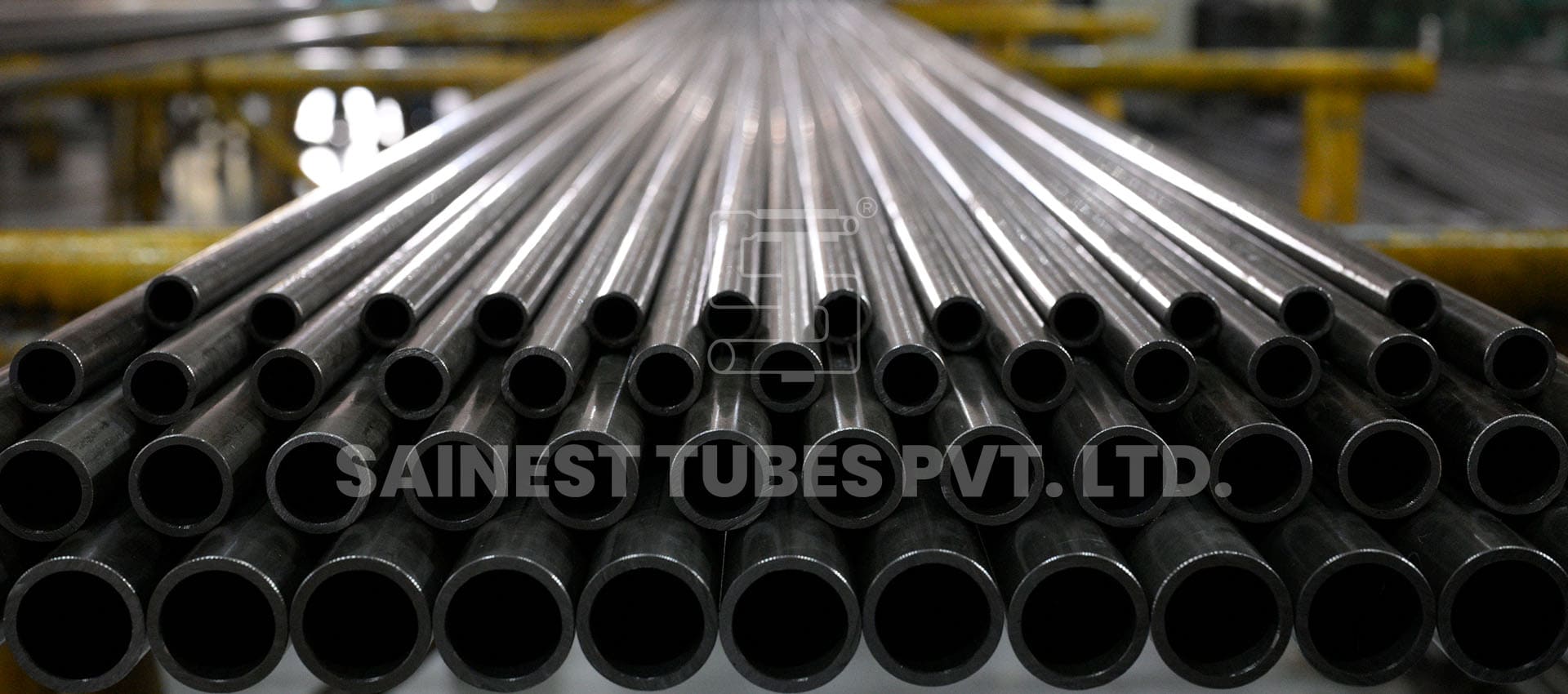
Controlled drawing and inspection enable manufacturers to produce tubes that have consistent dimensions and material characteristics. This is particularly important for precision seamless tubes, where dimensional requirements and product specifications play a key role.
The consistency will depend on the controls applied and the manufacturing requirements.
Cold Drawn Tubes vs Hot-Finished Tubes
Cold drawn and hot-finished tubes are produced using different manufacturing routes. Cold drawing is a process that takes place after the formation of a tube and reduces the tube’s dimensions to meet the required characteristics.
Hot finishing involves a different route, which will also dictate the resulting dimensions, surface characteristics and mechanical properties. Neither method is inherently superior; rather, each has advantages depending on the desired results.
Applications of Cold Drawn Seamless Tubes
Cold drawn seamless tubes find applicability in a range of industries. Their controlled dimensions and material features make them suitable for use wherever defined characteristics are essential. Cold drawn steel tubing is used in applications where the dimensions, material properties and surface condition must meet specific requirements.
Such applications may include:
- Precision mechanical components.
- Hydraulic cylinder tubing.
- Automotive components.
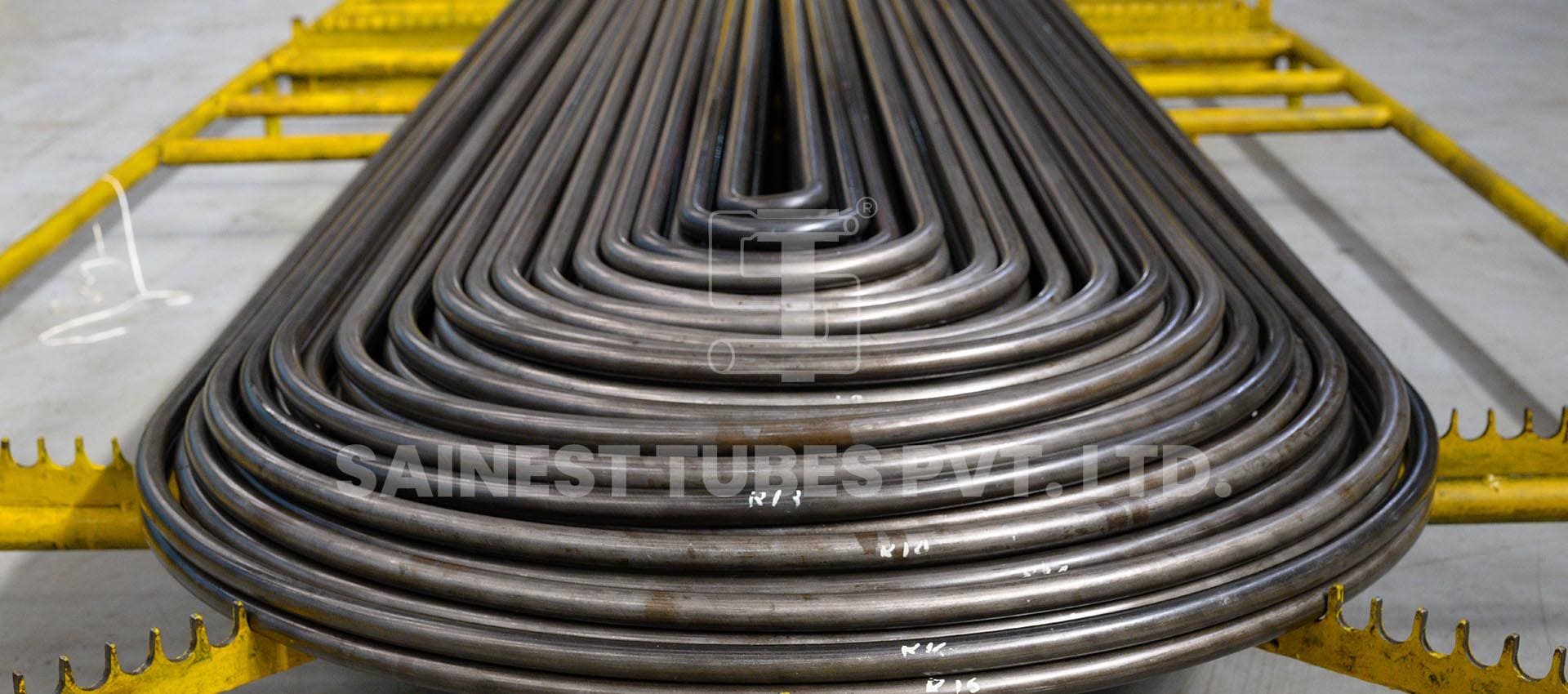
- Heat exchanger applications.
- Industrial machinery.
- Specialised engineering assemblies.
The applicability of a tube will depend on the requirements of the intended purpose and the product specifications. Cold drawn tubing may be selected for these applications when the specified manufacturing route and finished characteristics meet the equipment or assembly requirements.
What Should Buyers Specify?
When purchasing cold drawn steel tubing, the following should be defined:
- The tube’s material grade.
- The outside diameter and wall thickness.
- The inside diameter, if applicable.
- The length, together with the applicable tolerances.
- The heat-treated condition.
- The surface requirements.
- The mechanical properties.
- The applicable standard.
- Testing and inspection requirements.
The manufacturer can then establish a suitable method of production based on the required product.
Quality Control During Manufacturing
Dimensional inspection is essential to ensure that the produced tube conforms to its specified measurements. Depending on the product requirements, surface and other inspections, chemical analysis, mechanical tests and other relevant examinations should take place.
Heat treatment and other forms of finishing must also be performed in accordance with the requirements of the finished product.
The inspection program must be agreed upon in accordance with the applicable standard and the purchasing specification. These checks help establish whether the finished tube meets the required dimensions, material characteristics and application-specific criteria.
Cold Drawn Tubes at Sainest
Sainest Tubes incorporates cold drawing as part of its seamless tube manufacturing. Its range of products includes carbon steel and alloy steel seamless tubes for industrial applications, with the manufacturing process determined by the required product and specifications.
Buyers should confirm the requirements for material, dimensions, surface condition, heat treatment and testing of the particular tube they require. The suitability of a cold drawn tube depends on the specified product characteristics and the intended application.
Conclusion
Cold drawn seamless tubes are manufactured using a controlled drawing process that reduces the tube’s dimensions and achieves defined material characteristics. The suitability of a cold drawn tube depends on the material of construction, the degree of reduction, the final condition and the requirements of the application in which the tubes will be used.
For buyers, the essential considerations are the definition of the required dimensions, the material grade, the surface condition and the mechanical requirements. Sainest Tubes incorporates cold drawing as part of its manufacturing processes to produce seamless tubing specified for its controlled dimensions and applicability to a defined set of requirements.