Introduction
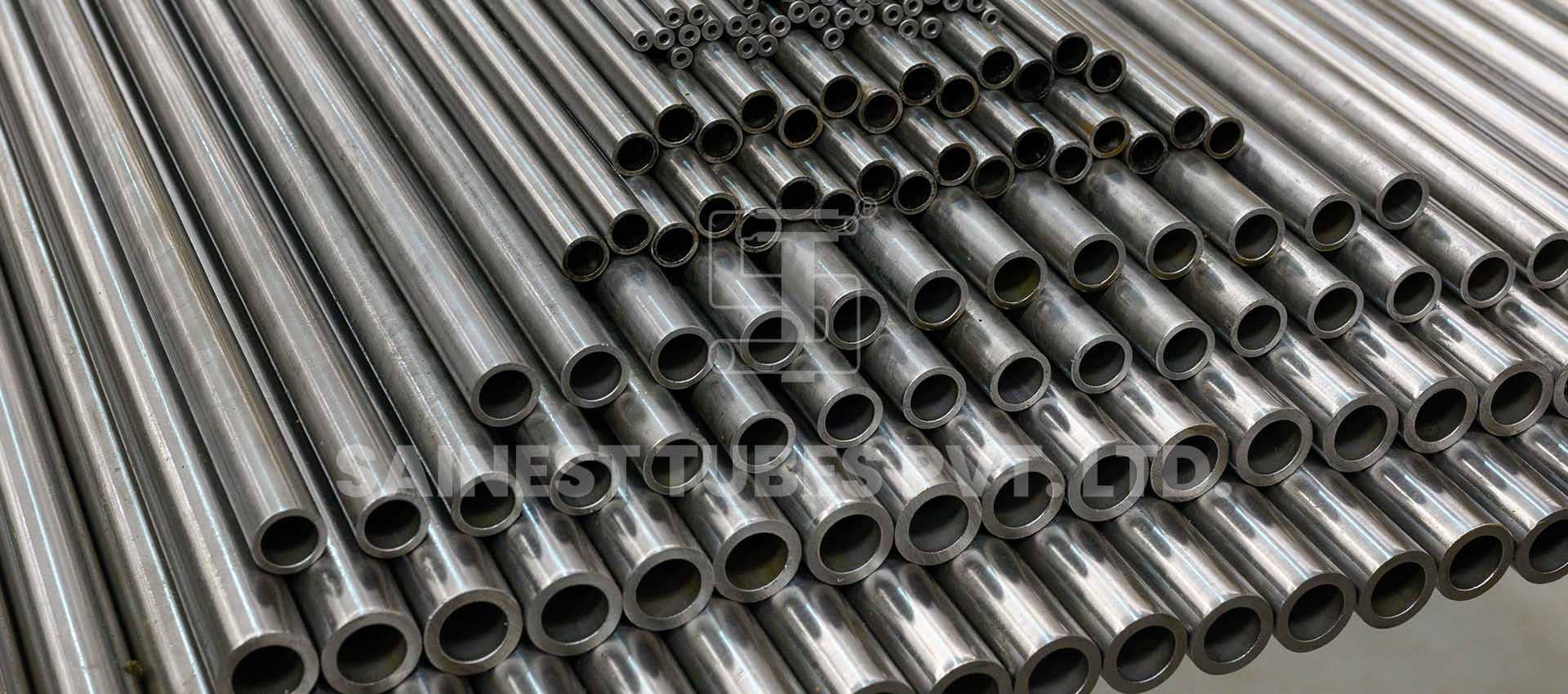
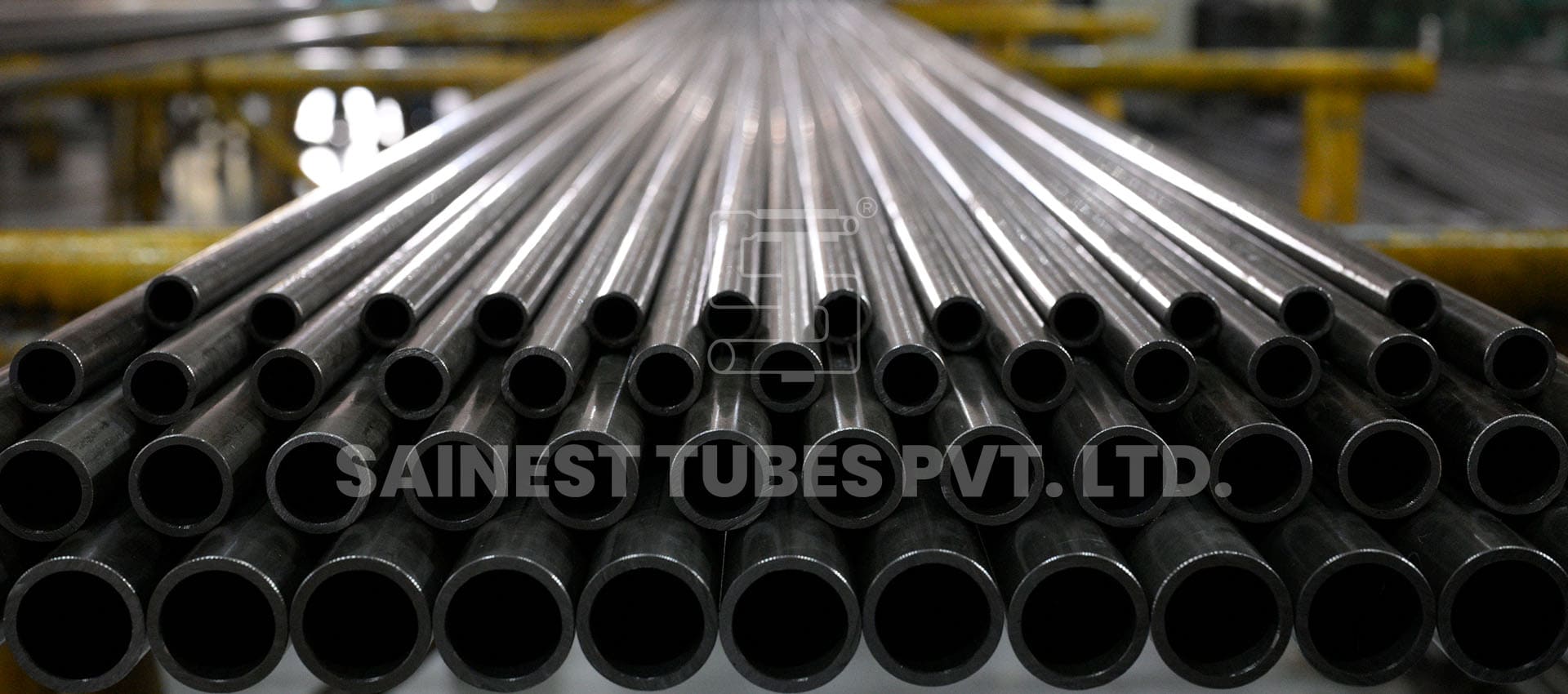
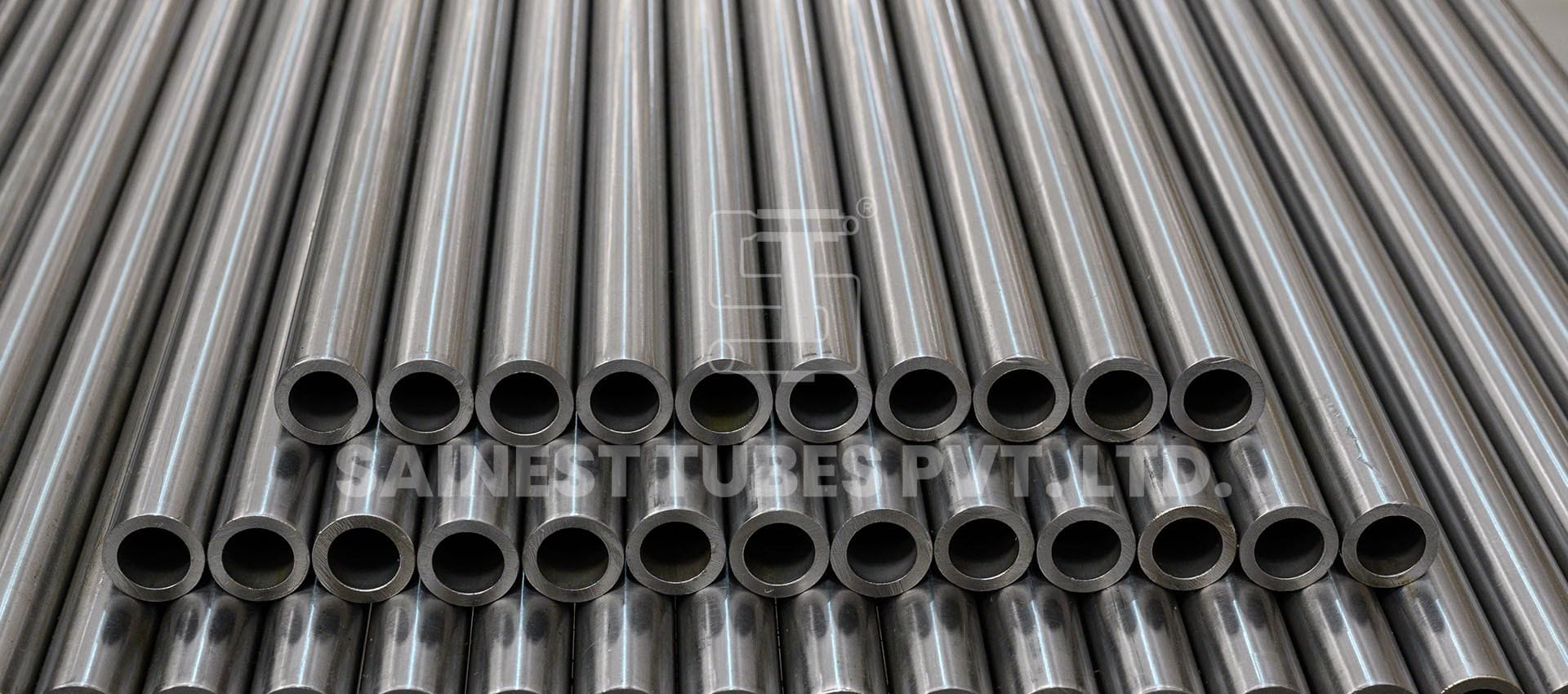
Choosing the right tube for application is as simple as picking a thick-walked product or simply searching high pressure seamless tube. The actual tube is part of a system, and its suitability is determined by material grade, dimensions, wall thickness, operating pressure and temperature, manufacturing requirements, applicable standards and testing requirements. A high pressure pipe has to be chosen on the actual working conditions and design requirements of the system.
This article discusses the factors to consider when selecting a seamless tube for high pressure applications and why it is necessary to clearly define the specifications before manufacturing.
Why Seamless Tubes Are Used for High-Pressure Applications
A seamless tube is manufactured without a longitudinal welded seam. It is manufactured from a solid billet that is pierced and subsequently processed to get the desired requirements.
This construction makes high pressure tubing a viable option for some applications where the absence of a longitudinal weld is important consideration.
However, it must be understood that seamless construction is not a panacea for every high pressure application.
The complete specification still has to be evaluated.
Start With the Operating Conditions
The first thing to do when choosing a high pressure steel pipe or tube is to understand the operating conditions in which it will be placed.
Important factors include:
- Operating pressure
- Design pressure
- Operating temperature
- Design temperature
- Fluid or medium
- Corrosive environment
- Flow conditions
- Required service life
- Installation conditions
The tube has to be chosen according to the design requirements set for the system.
Material Grade
Material selection is one of the most important considerations.
Carbon steel and alloy steel seamless tubes are available in different grades, each with their own chemical and mechanical properties.
A carbon steel grade may be suitable for one pressure application, while an alloy steel grade may be needed for another due to temperature or material-property requirements.
The correct material has to be selected according to the design standard and conditions applicable.
Outside Diameter and Wall Thickness
The dimensions of a tube have a direct bearing on how they are incorporated into the system.
Outside diameter, inside diameter, wall thickness and length have to be defined for the application.
Wall thickness is especially important in pressure-containing components because the design has to take into account the expected pressure and other loading conditions.
However, picking the thickest available tube is not necessarily the right approach.
The wall thickness has to be determined from the applicable engineering design and specification.
Temperature Matters
Pressure and temperature should not be considered in isolation.
Material properties can change with temperature, and equipment designed for a certain pressure at one temperature may have different requirements at another.
For high temperature applications, the material grade and applicable standard become important.
This is one reason why a seamless pressure pipe has to be selected according to designed conditions and not a generic ‘high pressure’ label.
Applicable Standards
A standard helps to establish the technical requirements for the product.
Depending on the product and application, standards can define material composition, dimensions, tolerances, mechanical properties, testing and inspection requirements.
When ordering a high pressure seamless tube, the buyer has to clearly specify the applicable standard and grade.
This makes sure that the manufacturer knows what the finished tube has to meet.
Testing and Inspection
Testing is an important part of manufacturing tubes for demanding applications.
Depending on the product specification, testing may include dimensional inspection, chemical analysis, mechanical testing, hydrostatic testing, ultrasonic testing, eddy current testing, and other applicable inspections.
The exact testing requirements depend on the applicable standard and customer specification.
Testing has to be considered as part of the product requirement rather than an optional extra.
Surface and Internal Condition
The condition of the tube can be important depending on the application.
For hydraulic applications, for example, controlled internal dimensions and surface condition can be important.
For process applications, the requirements can be different.
This is why the specification has to identify any specific internal or external surface requirements before production.
Choosing the Right Manufacturer
Selecting the right high pressure tubing is just one part of the procurement process. The manufacturer also has to have the capability to produce and inspect the required tube.
Buyers have to consider:
- Manufacturing capabilities
- Available material grades
- Dimensional range
- Heat treatment capability
- Testing facilities
- Inspection procedures
- Traceability
- Applicable standards
- Packaging and delivery requirements
Clear communication between buyer and manufacturer helps to reduce the possibility of specification gaps.
Why Seamless Does Not Mean One Specification Fits All
A common mistake is to assume that every seamless tube can be used in a high-pressure environment.
That is not the case.
A seamless tube can be manufactured in many different materials, dimensions, grades and specifications. A tube that is suitable for one application may not be suitable for another.
The correct selection has to be made according to the complete engineering requirement.
The term high pressure seamless tube describes an application need, and not a universal product specification.
Sainest Tubes for Demanding Applications
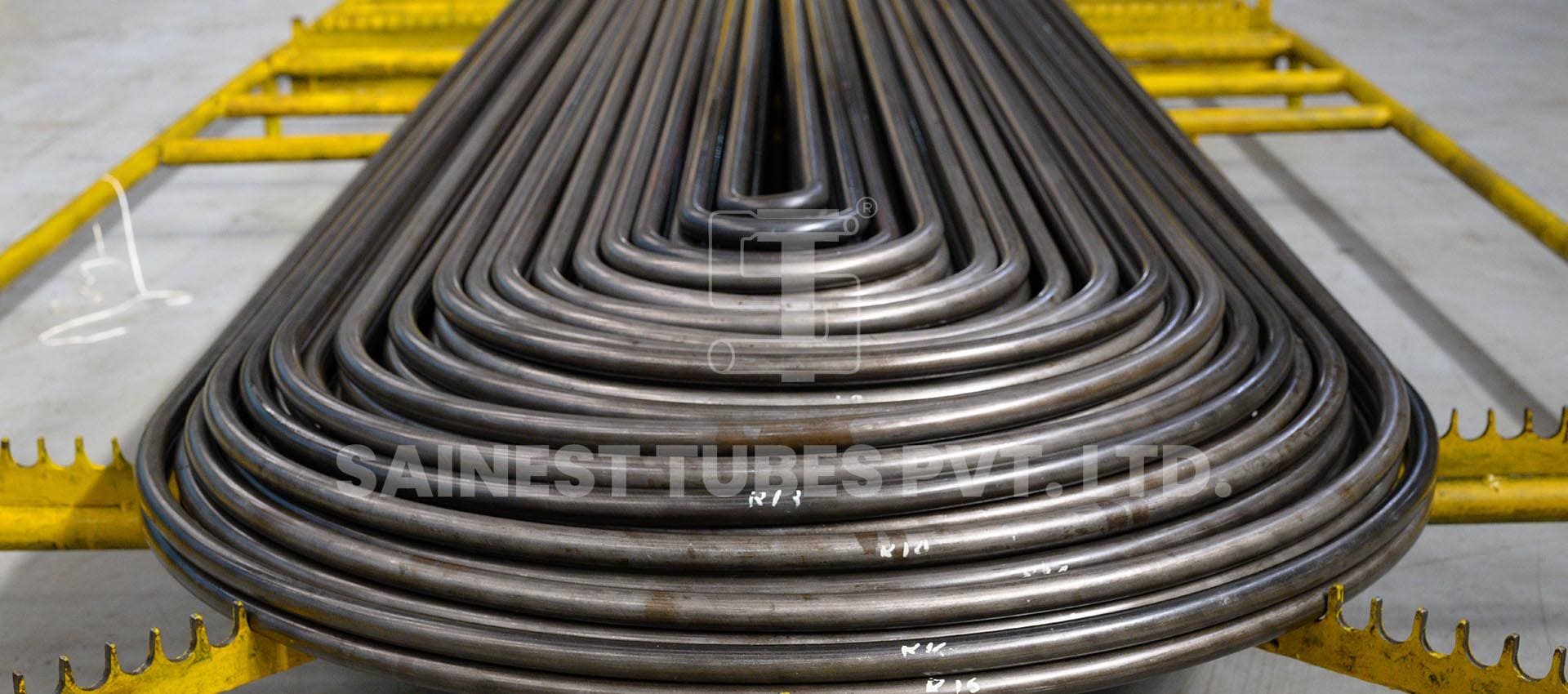
Sainest Tubes manufactures carbon steel and alloy steel seamless tubes and pipes for industrial applications.
Its manufacturing processes include piercing, cold drawing, heat treatment, straightening, cutting, inspection, hydro testing, among others, depending on the product requirement.
The company manufactures tubes according to applicable standards and customer requirements, with dimensional, chemical, mechanical and testing requirements considered as part of the manufacturing process.
Conclusion
Choosing the right seamless tube for high pressure applications starts with understanding the complete operating requirement. Pressure, temperature, material grade, dimensions, wall thickness, service environment, applicable standard and testing requirements have to be taken into account and evaluated together.
A high pressure steel pipe should not be selected simply because it is seamless or has a heavy wall. The correct tube is the one that meets the engineering and specification requirements of the system.
By clearly defining the application and working with a manufacturer that can meet the required material, dimensional, manufacturing and testing requirements, buyers can make a more reliable choice for demanding pressure applications.