Introduction
Automotive manufacturing requires components that are produced to defined material, dimensional, and performance specifications. Tubes are used in a range of automotive applications where the combination of strength, surface condition, dimensional consistency, and manufacturing specification may vary depending on the purpose of the component. The selection of the correct automotive steel tubes begins with an understanding of the function of the component and the conditions in which it will be used.
Whether they form part of precision mechanical components or fluid-related systems, automotive tubes must meet the requirements of the equipment design. This article considers the requirements that automotive buyers should look at when selecting automotive tubing.
Where Are Steel Tubes Used in Automotive Applications?
Depending on the design of the vehicle and the component, tubes can feature in a variety of automotive applications.
1. Precision Mechanical Components
The component design may dictate the need for tubes with defined mechanical properties and dimensional tolerances. In such cases, the selection of the supplied tube product is likely to be based on dimensional consistency and material selection that meets the criteria of the component design.
2. Hydraulic and Fluid-Related Systems
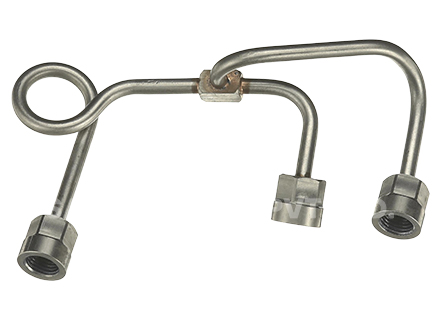
Automotive and associated equipment applications can feature tubes that transport fluids or form part of a hydraulic system.
The product specification is determined by the type of pressure, fluid, temperature, connection point, and design of the system.
3. Fuel-Related Applications
Fuel-related components may involve the selection of tubes with specific material, dimensional, cleanliness, and surface requirements.
Depending on the design of the system and the applicable automotive requirements, the specification of the tube should be defined rather than assuming that the product will be suitable for the purpose.
4. Specialised Automotive Assemblies
Other automotive assemblies may feature precision tubes that are produced according to the component drawing or industry standards.
In these cases, the material properties, dimensions, and surface condition of the tube will need to be specified.
Choosing the Right Material
The selection of the material is one of the initial considerations when specifying steel tubes for the automotive industry.
Carbon steel and alloy steel grades have different combinations of chemical elements and mechanical properties, and the choice depends on the requirements of the component and the conditions in which it will be used.
Buyers should define the grade and applicable standard rather than specifying a general category of materials.
If there is a requirement for corrosion resistance or another property, the material should be selected based on the likely environmental exposure and engineering specification.
Why Dimensional Accuracy Matters
Automotive components frequently need to fit into assemblies that have defined dimensions.
The significant parameters can include:
- Outside diameter
- Inside diameter
- Wall thickness
- Length
- Straightness
- Ovality
- Tolerances
The relevant set of dimensions depends on the design of the component. For example, the requirements for a tube that forms part of a precision assembly may differ from those for another automotive application.
The specification should clearly define the parameters that need to be controlled.
Surface Finish and Condition
Depending on the application, the component may have requirements for the external finish, controlled internal surface, or material condition. This information should be included in the specification for the product.
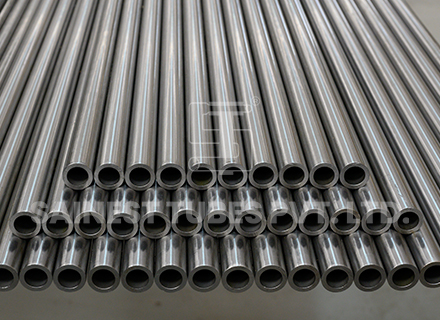
Bright annealed tubes, for instance, may be used in certain automotive applications where the supplied material and surface condition are appropriate.
However, bright annealing refers to a manufacturing and heat-treatment condition rather than a specific material grade or universal suitability for automotive applications. The buyer should define the necessary material, finish, and dimensions for the component.
Seamless Automotive Tubes
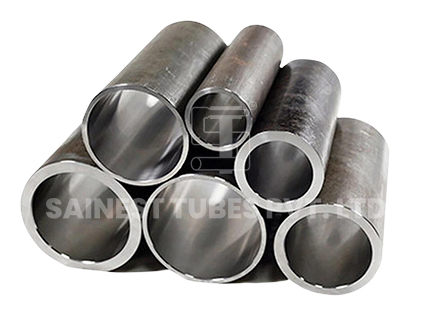
Seamless automotive tubes are produced without a longitudinal weld seam.
Depending on the application, material, dimensions, and applicable specification, seamless construction may be required. It is not necessarily an indication of suitability across all automotive systems.
The final product will need to meet all the relevant engineering and quality requirements.
Manufacturing Process and Consistency
The manufacturing process can affect the final properties of the tube.
Depending on the product, the process can involve piercing, cold drawing, heat treatment, straightening, cutting, and inspection.
Cold drawing can be used to produce tubes with the required dimensions and surface characteristics. Heat treatment may be used to achieve the desired material condition.
In automotive supply chains, the consistency of the product across a series of tubes is important because components are frequently produced and assembled repeatedly. The supplier should be able to understand and follow the specification.
Quality Testing and Traceability
The requirements for automotive tubes can involve dimensional inspection, chemical analysis, mechanical testing, surface inspection, and other tests according to the applicable standard or customer specification.
Depending on the application, the required tests should be defined.
Traceability and documentation can also be relevant, depending on the requirements of the customer. The ability to identify material batches or inspection records may be necessary in some cases.
Buyers should confirm the quality criteria with the supplier rather than assuming that all automotive tubes are subject to the same inspection programme.
What Should Buyers Consider Before Ordering?
When buying automotive steel tubing, buyers should define:
- Function of the component and intended application
- Material grade and applicable standard
- Outside diameter, inside diameter, and wall thickness
- Length and dimensional tolerances
- Surface finish and material condition
- Manufacturing and heat-treatment requirements
- Testing, inspection, and documentation
- Quantity, packing, and delivery requirements
Defining the component drawing or specification can reduce potential uncertainties and ensure that the buyer and manufacturer share the same expectations.
Automotive Tubes at Sainest
Sainest Tubes specialises in seamless tubing and offers bright annealed tubes for automotive and hydraulic applications.
For automotive applications, buyers should define the type of product, material grade, dimensions, surface condition, and specification. This information will establish whether the product being offered fulfils the technical requirements of the component.
For buyers sourcing automotive tubes, confirming the required dimensions, manufacturing condition, and applicable specification is an important step in selecting a suitable product for the intended assembly.
Conclusion
The selection of the appropriate automotive steel tubes involves an understanding of the component function, material requirements, dimensional tolerances, surface condition, and manufacturing specification. A tube that is appropriate for one automotive application may not be suitable for another, even if the dimensions seem similar.
Sainest Tubes’ range of specialised tubing and its bright annealed tubes for automotive applications provide buyers with a basis for discussing their requirements. The final selection should always be based on the component drawing, applicable specification, and the conditions in which the tube will be used.