Introduction
Steel tubes are used in a range of industries, from carrying or transporting fluids to structural applications, general machinery, and specialised equipment. However, there are different types of steel tubing depending on the intended application. Hydraulic tubes are specifically selected for hydraulic circuits or machinery that must meet defined tolerances and pressure conditions, while standard steel tubes may be used across a much wider range of applications.
Specifying hydraulic tubes versus standard steel tubing requires an understanding of how these products are manufactured and applied in different sectors. It also helps prevent buyers from selecting the wrong product simply because of its size or appearance.
What Are Hydraulic Tubes?
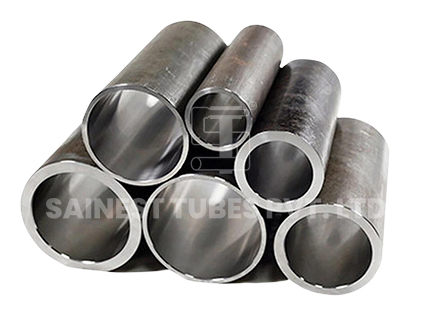
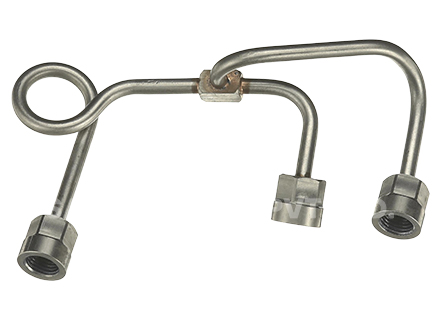
Hydraulic tubes are used in hydraulic circuits to carry pressurised fluid and in systems or components that perform hydraulic power transmission. They may be used in fluid circuit applications or specialised hydraulic machinery, including cylinder barrels or tubes.
A hydraulic tube must be suitable for its intended use with regard to the pressure, fluid, temperature, connections, and mechanical conditions to which it is exposed.
Additional dimensional or surface requirements may be necessary for some hydraulic applications. For example, hydraulic cylinder tubing must have defined internal diameters, surface requirements, dimensional tolerances, and geometry to ensure it can accommodate pistons and seals.
What Are Standard Steel Tubes?
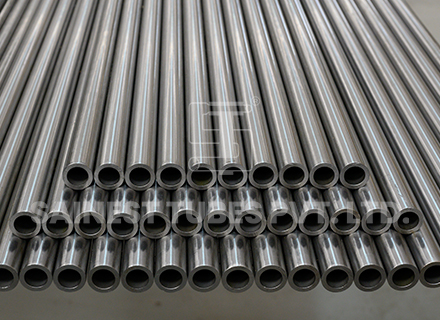
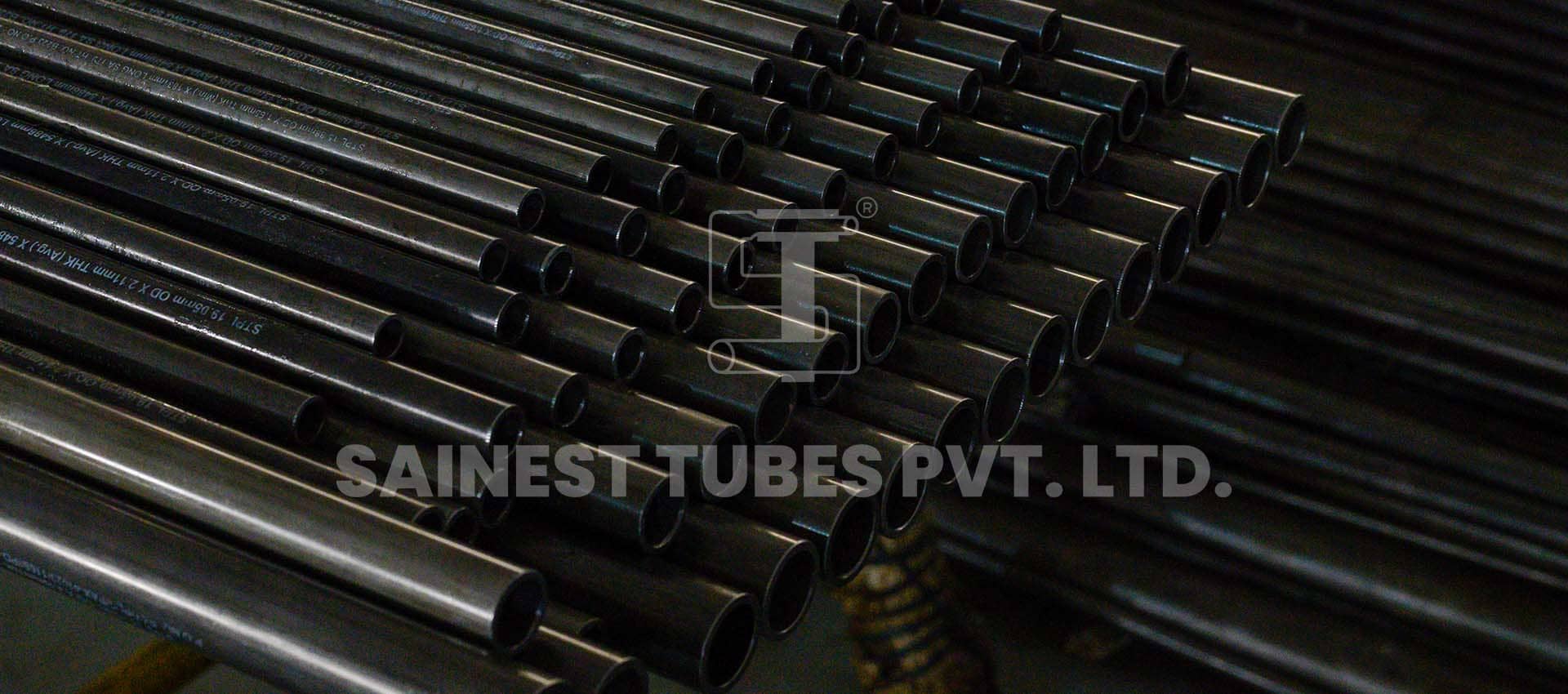
Standard steel tubes cover a range of hollow steel products that can be used for various purposes. These include general engineering, machinery parts, fabrication, structural applications, and heat-transfer equipment.
The material, dimensions, wall thickness, and manufacturing processes will depend on each applicable standard as well as the requirements of the application. A standard steel tube may be suitable for a given hydraulic application if it meets all the necessary requirements.
However, general steel tubing cannot be assumed suitable for all hydraulic uses simply because it matches the required nominal dimensions.
Hydraulic Tubes vs Standard Steel Tubes: Key Differences
1. Intended Application
The first difference between the two products is their intended use. Hydraulic tubing is designed for one or more types of hydraulic circuit or machinery. Requirements will depend on the particular system or component in which it will be used. Standard steel tubing may be manufactured for general engineering or mechanical applications that do not require the same properties.
2. Pressure Requirements
Hydraulic circuits and machinery rely on fluid to power or assist equipment and functions. The tube used in these applications must meet all applicable design, material, dimensional, and connection requirements.
Pressure requirements are also defined by the system or component design. They cannot simply be assumed from the product name, application, or description.
Standard steel tubes have defined mechanical and dimensional properties, but they must still be evaluated against the requirements of the intended hydraulic application.
3. Dimensional Control
Hydraulic applications may require tubes with defined outside diameter, inside diameter, wall thickness, and tolerances. Dimensional requirements may need to meet particular standards applicable to the industry or component.
This is especially relevant to hydraulic cylinder tubes or barrels, where internal diameter and surface texture may need to be controlled to ensure that the resulting cylinder components are suitable for their intended application.
Standard steel tubes, particularly those manufactured for general-purpose applications, may not suit these requirements unless the specified dimensional tolerances are met.
4. Surface Condition
Some hydraulic applications require consistent internal surface characteristics to accommodate seals or pistons. General steel tubes may also have varying surface requirements depending on their intended application.
Surface requirements should be clearly defined for both standard and hydraulic tubes according to their purpose.
5. Material and Manufacturing Requirements
Standard steel and hydraulic tubes can be manufactured using a range of materials, including different steel grades. The distinction lies in the particular requirements and specifications applicable to the intended application.
Depending on the application, hydraulic steel tube products may have additional material, dimensional, and testing requirements based on their use.
What Is a Seamless Hydraulic Tube?
A seamless hydraulic tube is a tube manufactured without a longitudinal welded seam. The manufacturing process typically involves piercing, drawing, heat treatment, straightening, cutting, and inspection procedures.
These tubes can be manufactured for a range of applications depending on material selection, dimensional specifications, and additional requirements.
Seamless tubes can be suitable for hydraulic applications where specific requirements must be met. However, tubes may also be manufactured using other methods and processes. Seamless construction alone does not establish suitability for a particular pressure or application.
Where Are Hydraulic Tubes Used?
Hydraulic tubing is used across a range of industries and machinery, including:
- Construction machinery
- Agricultural equipment
- Industrial presses
- Material-handling equipment
- Hydraulic circuits and cylinder assemblies
Hydraulic system tubing and cylinder tubes form important components of these applications. Different systems may require different tube types and specifications, so buyers should establish the intended use before purchasing.
Hydraulic pipes and tubes should be selected according to the system design, operating pressure, fluid characteristics, dimensions, and applicable specifications.
How to Choose the Right Hydraulic Tubing
Before buying hydraulic piping or tubing, buyers should assess the following:
- Function: Whether the product is required for a hydraulic circuit or a cylinder component.
- Material grade: The specified grade of the selected steel tube.
- Pressure: The design and operating requirements of the system.
- Diameter and wall thickness: External diameter, internal diameter, and wall thickness.
- Surface specification: Required surface finish and profile.
- Connection and installation: Connection requirements for the circuit or component.
- Applicable standard: The relevant standard for the particular product.
- Testing requirements: Necessary inspection and testing for the product.
Buyers should consider the complete set of system specifications against the material, dimensions, pressure, and other requirements of the product.
Sainest Hydraulic Tube Solutions
Sainest Tubes supplies seamless tubes and ready-to-hone hydraulic cylinder tubes for specialised applications. Its ready-to-hone products are suitable for specific cylinders used in various applications where the internal dimensions of the hydraulic tube are particularly important to the manufacturing process.
For buyers sourcing hydraulic tubes, the product type, material, dimensions, manufacturing condition, and application requirements should be confirmed before ordering. Sainest Tubes' ready-to-hone range can be considered for hydraulic cylinder manufacturing requirements where controlled internal dimensions are essential.
Conclusion
The difference between hydraulic and standard steel tubes primarily lies in their intended use, required specifications, and mechanical conditions. Hydraulic circuits and components can demand defined conditions that standard steel tubing products cannot always accommodate without additional specifications.
Buyers specifying hydraulic tubing should assess the intended application to ensure they receive products that meet the necessary requirements. Sainest Tubes' ready-to-hone hydraulic cylinder tubes cater to manufacturers requiring specialised cylinder tubes with defined internal dimensional specifications.