Introduction
Hydraulic systems are used in machinery that requires controlled force and movement, from construction equipment and agricultural machinery to industrial presses and material-handling systems. A hydraulic cylinder transforms hydraulic pressure into linear force and motion, and its tube forms a part of the assembly. Hydraulic cylinder tubes need to conform to particular dimensional, material, and surface requirements to function with the cylinder's internal parts.
Selecting the right hydraulic cylinder tube requires more than finding a steel tube with the necessary outside diameter. Internal dimensions, surface condition, straightness, material grade, and manufacturing requirements all play a role. This article discusses what hydraulic cylinder tubing is, where it is used, and what buyers should consider when specifying it.
What Is a Hydraulic Cylinder Tube?
A hydraulic cylinder tube is the cylindrical part of a hydraulic actuator. It forms the housing for the piston and provides the surface over which the piston slides.
When pressurised hydraulic fluid acts on the piston, the cylinder transforms the pressure into linear force and motion. The tube, therefore, needs to be suited to the design pressure and mechanical requirements of the cylinder assembly.
A cylinder tube can be produced and finished to the requirements of the intended application. This may involve controlled internal dimensions and a specific surface condition.
How Does a Hydraulic Cylinder Work?
A hydraulic cylinder typically comprises a cylinder barrel, piston, piston rod, seals, end components, and hydraulic connections.
Hydraulic fluid is introduced to one side of the cylinder, exerting pressure on the piston. This causes movement along the length of the cylinder. Depending on the design, fluid introduced to the other side can cause the piston to move in the opposite direction.
The cylinder tube forms the housing in which this motion takes place. Its internal geometry and surface condition are integral to the assembly's performance.
The cylinder assembly comprises several components that need to function together, and tube selection, therefore, needs to conform to the equipment design and manufacturer's requirements.
Where Are Hydraulic Cylinder Tubes Used?
Construction Equipment
Excavators, loaders, construction cranes, and other equipment use hydraulic cylinders to operate booms, arms, buckets, and other moving parts.
The tube needs to conform to the cylinder design and operating conditions.
Agricultural Machinery
Tractors, harvesters, and other agricultural equipment use hydraulic cylinders to operate various lifting, positioning, steering, and implement-control functions.
The necessary tube specification depends on the machinery, cylinder dimensions, and operating conditions.
Industrial Machinery
Hydraulic presses, forming machines, material-handling equipment, and other production systems use hydraulic cylinders to exert controlled force.
In such applications, the tube's internal dimensions, material, and surface requirements need to conform to the cylinder design.
Mobile and Material-Handling Equipment
Forklifts, lifting platforms, and other mobile equipment use hydraulic cylinders to provide controlled motion. The tube needs to be suitable for the intended pressure and mechanical conditions, with its dimensions and material selected according to the design requirements.
What Makes Hydraulic Cylinder Tubes Different?
Not all steel tubes are suitable for use as hydraulic cylinder barrels. Such applications may have specific requirements that go beyond those of general-purpose tubing.
Controlled Internal Dimensions
The internal diameter, also referred to as the bore, needs to conform to the cylinder design. This ensures that the tube will accommodate the piston, seals, and other internal components.
These dimensional requirements need to be specified and confirmed during manufacturing or inspection.
Internal Surface Condition
The surface of the inside of the tube comes into contact with the cylinder's other components and the sealing system. As such, its finish needs to conform to the requirements of the application.
The necessary surface finish depends on the cylinder design and manufacturing condition of the product.
Straightness and Geometry
The tube needs to be manufactured to the required geometry over its length. Straightness and ovality requirements may need to be specified, depending on the application.
Such requirements are especially relevant if the tube needs to accommodate a piston and sealing components over its working length.
Material Properties
The material from which the tube is manufactured needs to conform to the mechanical and service requirements of the cylinder design.
The material grade, wall thickness, and manufacturing condition need to be specified rather than assumed based on appearance. A hydraulic steel tube must meet the technical requirements of the intended cylinder assembly.
Honed and Ready-to-Hone Cylinder Tubes
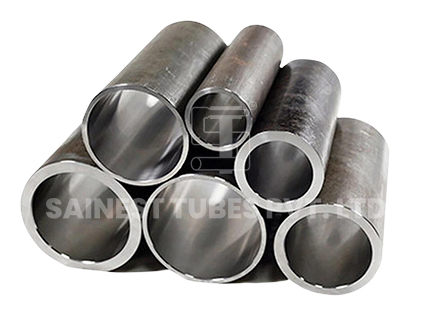
A honed cylinder tube has been finished using a honing process to produce the specified internal dimensions and surface condition. Honing involves removing material from the inside diameter of the tube to achieve the required bore size and finish.
Ready-to-hone tubes are supplied in a condition that allows further processing or finishing in accordance with the customer's manufacturing requirements. A seamless hydraulic cylinder tube may be selected where its construction, material, and dimensional properties meet the requirements of the application.
The two terms are not interchangeable, and buyers should clarify whether the intended product is already honed or is ready to be honed.
What Should Buyers Specify?
When sourcing hydraulic cylinder tubing, buyers should specify the following:
- Material grade
- Outside and inside diameters
- Wall thickness and length
- Straightness and ovality
- Internal surface-finish requirements
- Condition, e.g. ready-to-hone or honed
- Applicable standard or customer specification
- Inspection and test requirements
Specifying these details helps the manufacturer understand the intended application and minimises errors during procurement.
Manufacturing and Quality Control
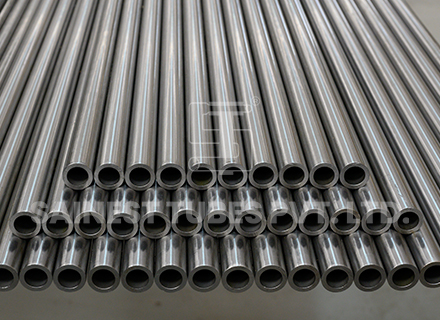
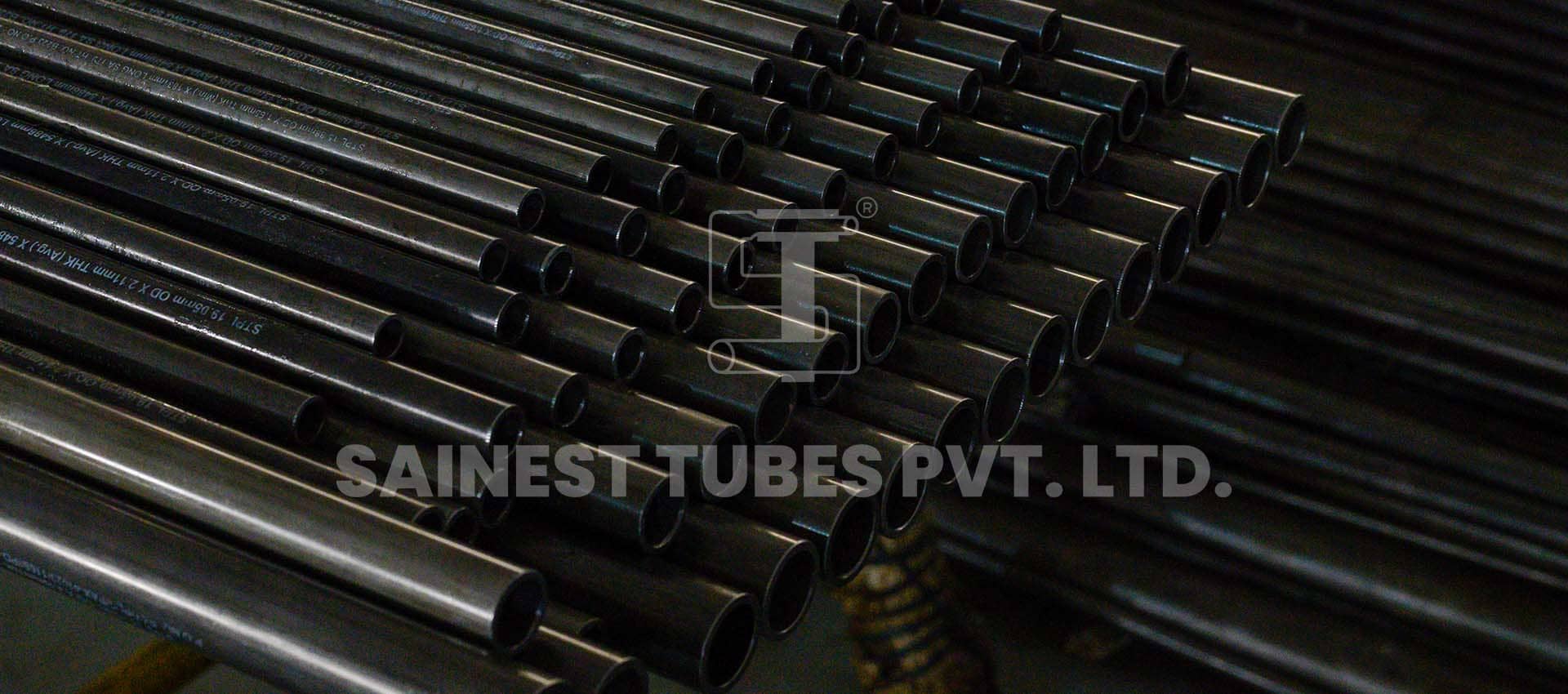
The production route for a hydraulic steel tube depends on the material, dimensions, and required condition. It may involve cold drawing, heat treatment, straightening, cutting, and inspection.
Dimensional checks confirm that the specified diameter, wall thickness, straightness, and other requirements have been met. Other checks may need to be carried out according to the product specification.
The manufacturing and inspection requirements should be confirmed for each order rather than assumed to be the same for all hydraulic tubes.
Hydraulic Cylinder Tubes at Sainest
Sainest Tubes offers ready-to-hone hydraulic cylinder tubes for hydraulic applications. Its product information highlights that controlled internal dimensions and other dimensional parameters are important considerations for such products.
Buyers should refer to the product specification and confirm the required dimensions, material grade, surface condition, and manufacturing condition prior to placing an order.
For manufacturers sourcing a seamless hydraulic cylinder tube, confirming the required product condition and dimensional tolerances helps ensure alignment with the intended cylinder design.
Conclusion
Hydraulic cylinder tubes form the main part of a hydraulic cylinder and need to be compatible with the piston, seals, and other internal components under the specified operating conditions. Their internal dimensions, surface condition, straightness, and material properties determine their suitability for the intended cylinder design.
From construction equipment to industrial machinery, the correct hydraulic cylinder tube needs to meet the technical requirements of the cylinder. Sainest Tubes' range of ready-to-hone hydraulic cylinder tubing addresses applications in which controlled internal dimensions and defined product specifications are important considerations in cylinder manufacturing.