Introduction
Corrosion can limit service life and impact the visual condition and usability of metal components. For stainless steel, ensuring the correct surface condition supports performance and longevity during service. Passivated tubes refer to tubes that have undergone a process designed to improve the condition of the passive layer on the tube surface.
The passivation of stainless steel is a controlled surface-treatment process rather than a substitute for selecting an appropriate material grade. The effectiveness of stainless steel passivation depends on the grade, process, condition, and environment. With an understanding of the process, buyers can assess the suitability of passivated tubing for their requirements.
What Are Passivated Tubes?
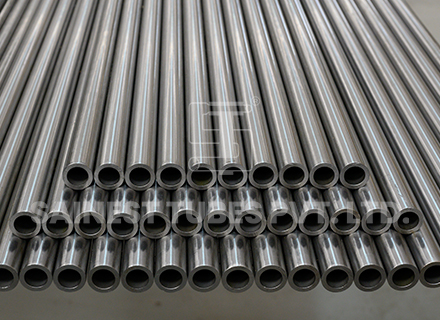
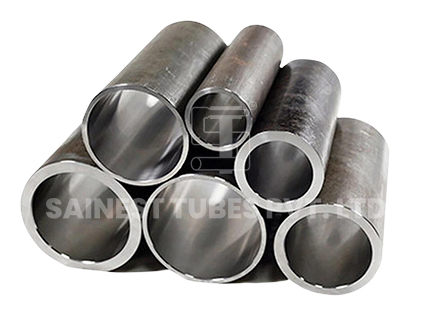
Passivated tubes are tubes that have undergone a surface-treatment process to improve the passive layer condition on a suitable stainless steel surface.
As a passive metal, stainless steel naturally forms a chromium-rich oxide layer on its surface when exposed to suitable environmental conditions. This passive layer provides corrosion resistance and can protect the underlying material.
Surface contamination from machining, handling, or fabrication can lead to the deposition of free iron particles on the stainless steel surface. A suitable passivation process removes specific surface contaminants, such as free iron, and supports the formation of the passive layer.
The passivation process should not redefine the essential grade of the material. The tube must conform to the basic composition, size, and mechanical requirements of the material grade.
What Is Stainless Steel Passivation?
Stainless steel passivation generally refers to the process of treating a suitable stainless steel surface with a chemical solution under controlled conditions.
The exact process of passivation depends on the stainless steel grade, specification, and desired outcome of the treatment. Cleaning and removal of surface contaminants may be required before passivation.
The process of passivation is not the same as applying a thick coating or layer to the material surface. Passivation is a surface-treatment process that helps reinforce the naturally occurring, corrosion-resistant passive layer.
Why Is Passivation Important?
1. Helping to Support Corrosion Resistance
A correctly performed passivation of stainless steel helps support the corrosion resistance of the material by removing surface contaminants.
However, it is essential to recognise that passivation does not make stainless steel immune to corrosion. The selected grade must still be appropriate for the intended service.
2. Removing Surface Contamination
Machining, fabrication, and handling can introduce surface contaminants onto stainless steel surfaces.
When required as part of an application, appropriate cleaning and passivation processes address specific surface contaminants during preparation.
3. Meeting Surface Requirements
Industrial applications may require a specific surface-treatment process to be applied to a component or tubing as part of the design and specification.
In such cases, the passivation process becomes an element of manufacturing and documentation.
4. Supporting Consistent Processing
When using tubing in a controlled manufacturing process, consistent surface treatment helps ensure that the required process has been performed correctly.
The passivation process and acceptance criteria should be defined and agreed upon before treatment takes place.
Applications of Passivated Stainless Steel Tubes
Passivated stainless steel tubes may be used in industrial applications where surface condition and corrosion resistance are important. Some examples include:
- Industrial process equipment
- Chemical-handling systems
- Instrumentation and fluid systems
- Food-processing equipment, where applicable material and hygiene requirements are met
- Pharmaceutical equipment, where relevant specifications require stainless steel surface treatment
The list does not guarantee that passivated tubes will be suitable for every application. The material grade, surface condition, cleanliness, and service requirements must be considered for each application.
Passivation vs Pickling
While passivation and pickling are two separate processes, they can sometimes form part of the same surface-treatment procedure.
Pickling generally refers to the process of removing scale and certain surface oxides. Passivation is designed to support the passive layer and remove surface contaminants.
The process depends on surface preparation, the initial surface condition, the stainless steel grade, and the applicable specification. The assumption should not be made that one process replaces the other.
What Should Buyers Specify?
When purchasing passivated tubing, buyers should specify:
- Stainless steel grade
- Tube dimensions and tolerances
- Initial surface condition
- Cleaning and passivation process
- Applicable standard or customer specification
- Inspection and acceptance criteria
- Documentation requirements
- Intended service environment
It is essential to define and agree whether passivation is required on the supplied tube or whether treatment is required after component fabrication.
Quality Control and Documentation
A defined passivation procedure enables the process to take place under controlled conditions.
Documentation may vary depending on the applicable specification, but it generally covers the procedure, process records, inspection and test records, and additional evidence of conformity.
The method of verification depends on the applicable standard and the application. Buyers should define these requirements rather than assuming that the term passivated includes a particular certificate or test.
Stainless Steel Tubes at Sainest
Sainest Tubes supplies stainless steel seamless tubes and pipes. Buyers who require passivated tubes should confirm whether the requested passivation process is available for the stainless steel grade, dimensions, and order requirements.
The material grade and surface-treatment process must be confirmed before production and processing take place so that the supplied product can be evaluated against the specification.
For buyers sourcing corrosion resistant tubes, it is important to assess the suitability of the material grade for the intended environment rather than relying on surface treatment alone. Passivation requirements should be confirmed with Sainest Tubes for the specific order.
Conclusion
Passivated tubes are used in applications where a particular surface condition of stainless steel is required. The passivation process helps ensure that material preparation and treatment procedures are suitable for the intended service. However, the effectiveness of the process still depends on the grade, preparation, treatment process, and service environment.
When considering the purchase of passivated stainless steel tubes, buyers should confirm the passivation process and acceptance criteria. Sainest Tubes' stainless steel seamless tube range provides a starting point for discussing material grades and dimensions with the supplier, while the availability of passivation treatment must be confirmed for the specific order.