Introduction
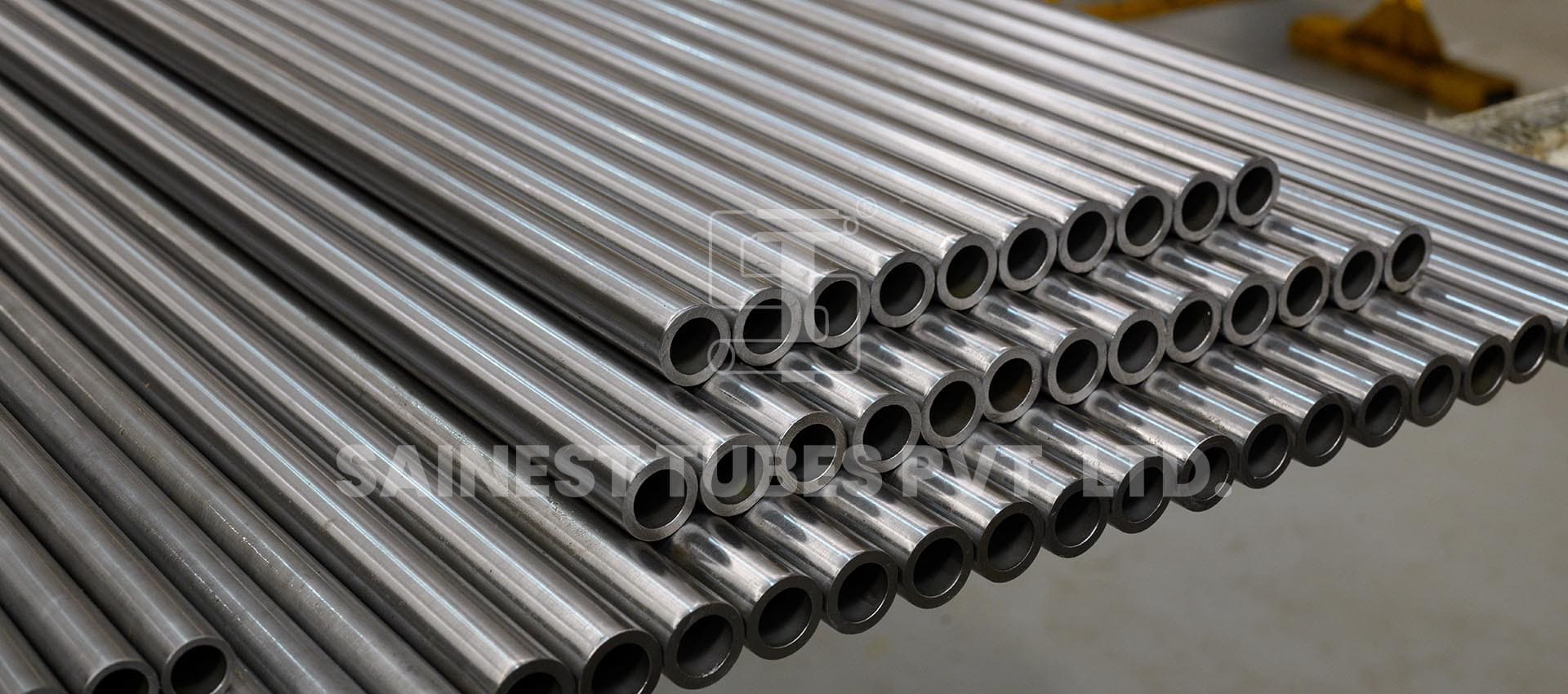
Oil refineries and petrochemical plants comprise integrated industrial structures with heat-exchange units, boilers, condensers, and other equipment that allow processing petroleum, heating and cooling liquids at a given pressure and temperature, and performing other operations at high pressures and temperatures. Seamless tubes for oil and gas applications have specific characteristics defined by material, geometry, pressure, temperature, and other factors.
The proper use of seamless tubes in petrochemical machinery can be selected on the basis of the application requirements, including the relevant standards. The information on seamless tube usage areas and selection criteria can help industrial buyers make the right choice when purchasing tubes for oil refineries.
Where Are Seamless Tubes Used in Oil Refineries?
An oil refinery processes crude oil in a series of stages. Each stage uses specific equipment, such as heat exchangers, boilers, condensers, and other machines. Thus, seamless pipes for oil and gas applications can be used in various parts of an oil refinery.
Heat Exchangers
Heat exchangers are used to transfer heat between fluids. They can be used to control the fluid temperature regime and optimise the process heat regime. Seamless pipes for oil and gas applications can be selected based on material, geometry, pressure rating, and specifications. Carbon steel and alloy steel tubes for heat exchangers can be selected on the basis of their operating conditions and specification.
Boilers and Steam
Steam is commonly produced in boilers, and the produced steam is used for heating and other processes in oil refineries. Boiler tubes, including those made of carbon steel and alloy steel, should meet specific requirements determined by the boiler’s operating conditions.
Condensers and Coolers
Condensers and coolers are used to remove heat from the working fluid. Thus, seamless pipes for condensers and coolers should be selected in terms of material, operating conditions, and geometry.
Process Equipment
Industrial pipelines and tubes are used to transfer fluids between various units. Oil and gas pipes must be selected according to their intended use, design features, and specifications.
Not all the equipment in oil refineries requires seamless pipes, as seamless products can be replaced with welded alternatives. The choice of welded or seamless products depends on specific design requirements.
How Are Seamless Tubes Used in Petrochemical Plants?
Petrochemical plants process hydrocarbons from crude oil into products, such as plastics, synthetic fibres, and other materials. Petrochemical plants have various units, including heat exchangers, boilers, condensers, and process machines, which require seamless pipes for oil and gas applications to meet their specific operating conditions.
Thus, petrochemical pipes and tubes should be selected on the basis of their intended use, operating conditions, geometry, and material. Specific requirements, such as chemical compatibility, pressure rating, and temperature resistance, should also be taken into account when selecting seamless tubes for petrochemical applications.
Why Are Seamless Tubes Selected?
A seamless tube is made from a solid steel billet with no longitudinal weld seam. Such tubes are manufactured using piercing machines and other tools, allowing the metalworking process to be optimised and high-quality seamless products to be produced.
However, the lack of a weld seam is not the sole criterion for selecting seamless tubes. Various factors, such as material, geometry, and specification, should be considered when selecting tubes for petrochemical and refinery applications.
Material Selection for Refinery Applications
The choice of material is one of the most important factors when selecting pipes and tubes for oil refineries. Thus, oil refinery pipes, including carbon steel pipes for oil and gas applications, can be chosen as a seamless option if their material properties match specific operating conditions.
Similarly, alloy steel tubes for oil and gas applications can also be used for specific purposes determined by the material characteristics, operating conditions, and applicable specification. The material should also be selected on the basis of process fluid properties and design requirements, since corrosion resistance cannot be taken for granted with carbon or alloy steels.
When specifying a seamless steel pipe for the oil industry, buyers should ensure that the selected material grade and product specification are compatible with the intended service conditions.
Important Factors When Specifying Tubes
When specifying seamless tubes for petrochemical or refinery applications, the buyer should determine the following specifications:
Material
This requirement defines the chemical composition and mechanical properties of the seamless tubes.
Geometry
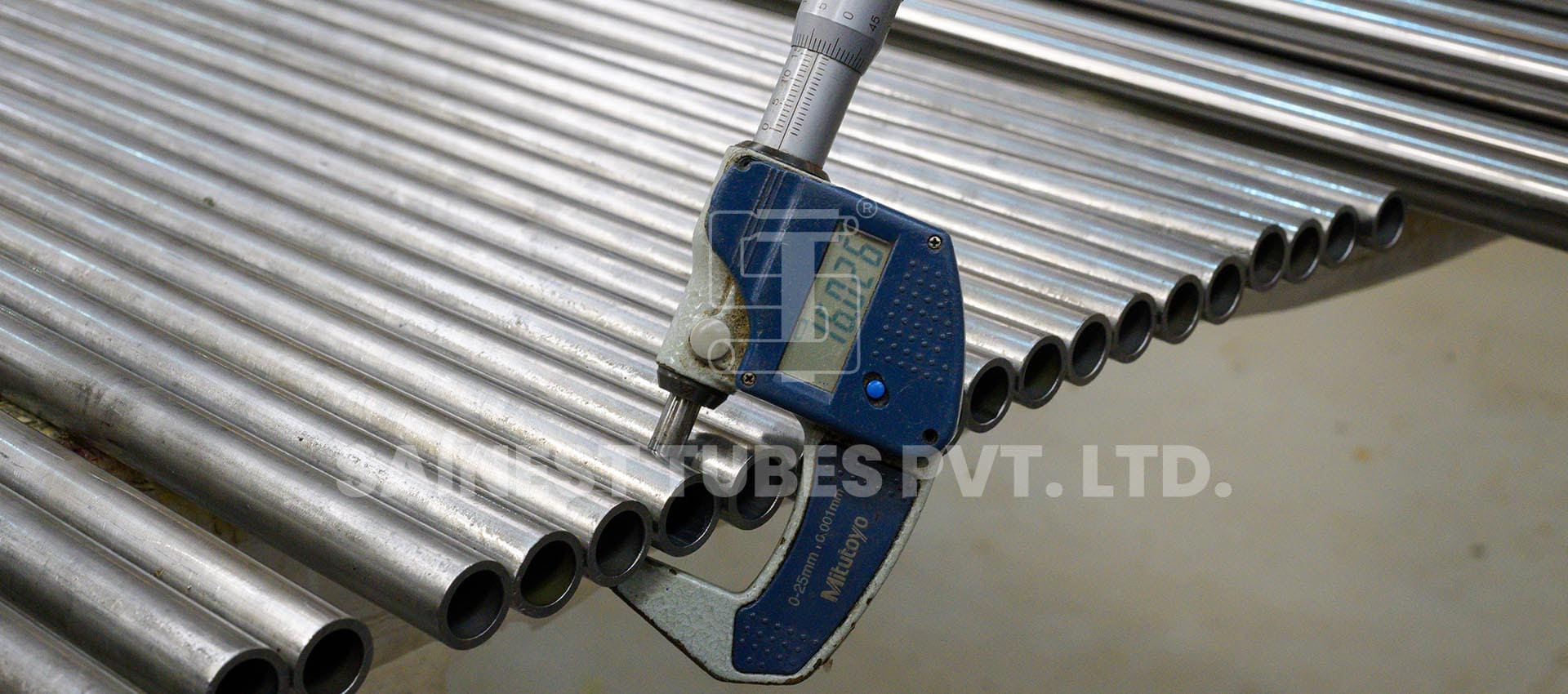
This specification defines the tubes’ outside diameter (OD), thickness, length, and tolerances.
Operating Conditions
This requirement defines the process fluid, pressure, and temperature, as well as other characteristics.
Standards
This specification defines technical requirements, production controls, testing, inspection, and other requirements for seamless tubes. The applicable standard should indicate what tests and inspections are needed.
Testing and Inspection
This specification defines required tests and inspections for seamless tubes when they are ordered.
Documentation and Traceability
This requirement defines what documentation is provided with the tubes, including inspection and test results.
Packing and Delivery
This specification defines how the tubes should be packed and delivered to the customer.
The specification of seamless tubes should provide adequate guidance for their production so that the tubes meet the requirements of the equipment and the process. Thus, the choice of a seamless tube should be made on the basis of material, geometry, operating conditions, standards, testing, inspection, documentation, and packing conditions.
Manufacturing and Quality Control
Seamless tubes can be produced using a combination of piercing and cold drawing processes. After piercing, the tubes can be subjected to heat treatment, straightening, cutting to the required length, inspection, and testing. Specific manufacturing technologies can be selected on the basis of the material, geometry, and other properties of the tubes and their intended use.
The manufacturing process should ensure that the tubes meet the requirements of the applicable standard and purchase order. For example, tubes can undergo hydrostatic testing to check their pressure resistance. In addition, tubes can also be subjected to various inspections, including ultrasonic and eddy current testing, to detect possible defects.
The integrity of the seamless tubes supplied to the buyer should match the specified documentation. This is particularly important for the long-term operation of industrial machines and equipment.
Pipes and Tubes from Sainest Tubes
Sainest Tubes produces carbon steel and alloy steel seamless tubes and pipes for various industries. The company offers heat exchanger tubes, boiler tubes, U-bend tubes, and other products. Thus, the company’s seamless tubes and pipes can be used in various oil refinery and petrochemical applications if their material, geometry, and other properties match the requirements of the intended use.
For buyers sourcing seamless tubes for oil and gas applications, the suitability of a product depends on its grade, dimensions, applicable standards, and specified operating conditions.
Sainest Tubes' range of seamless tubes and pipes can be evaluated against these technical requirements when planning industrial procurement.
Conclusion
Seamless tubes play an important role in petrochemical and oil refining industries, as they are used in various machines and equipment. The selection of seamless tubes for refining and petrochemical applications should be made by considering their material properties, geometry, pressure and temperature ratings, fluid compatibility, standards, and other factors.
When industrial buyers specify seamless steel pipe for the oil industry, the chosen specifications should correspond to the tubes’ intended use. Sainest Tubes offers carbon steel and alloy steel seamless tubes and pipes for industrial applications where manufacturing requirements must align with the applicable standards and specific service conditions.