Introduction
Boilers are subjected to high levels of temperatures, pressures, and heat transfer, making the selection of tubes for applications a critical consideration. Boiler tubes offer the heat transfer surfaces and contain the fluid under defined conditions of operation. The selection of tubes with regard to material, dimensions, grade, wall thickness, and applicable standard needs close attention. From carbon steel and alloy steel to seamless boiler tubes, the selection depends on the operating conditions of the boiler. In this article, we'll discuss the role of a boiler tube, its applications, materials, and factors to consider in selection.
What Are Boiler Tubes?
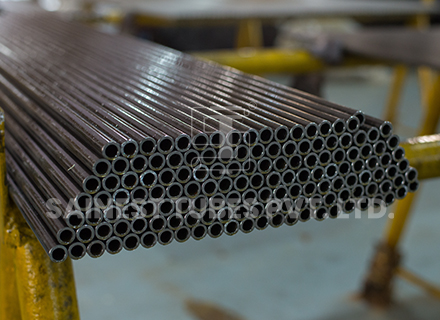
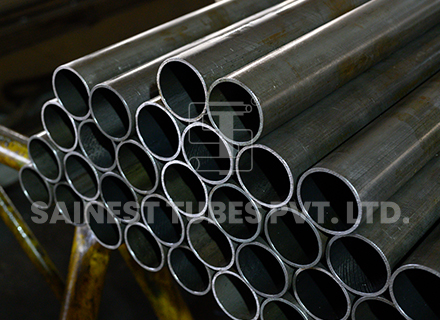
A boiler tube is a tube that is used as part of a boiler system to transfer heat and contain the working fluid.
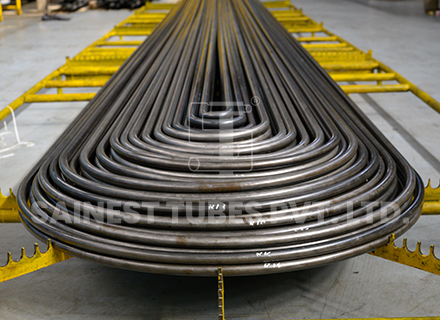
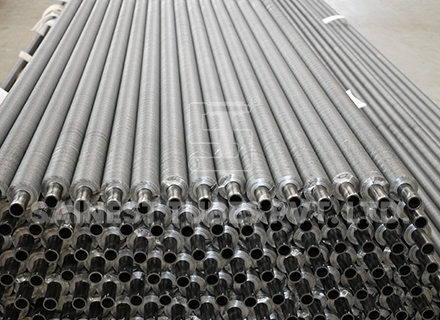
Depending on the design, tubes may form water walls, superheaters, economisers, generating banks, and similar heat transfer sections.
Tubes are exposed to operating conditions that include elevated temperatures and pressures.
Therefore, the material and specification need to be matched to the design conditions of the boiler.
Why Are Seamless Tubes Important in Boiler Applications?
A seamless boiler tube is produced without a weld along the length of the tube.
Seamless boiler tubes are produced from solid billets using piercing and further working processes, depending on the product being produced.
Seamless construction is advantageous when the application requires continuous tube construction. However, the fact that a tube is seamless does not define its suitability. Factors including grade, dimensions, wall thickness, temperature, pressure, and applicable boiler standards need to be evaluated.
Boiler Tube Material
The selection of boiler tube material is one of the most critical aspects of the boiler tube specification.
Carbon Steel
Carbon steel is utilised in various boiler applications where its properties are compatible with the intended service.
A boiler steel tube made from carbon steel needs to satisfy specific chemical composition, mechanical properties, dimensions, and testing requirements.
Alloy Steel
Alloy steel is a material that can be considered for applications where specific properties are required due to the operating conditions.
Different alloy elements and grades will have dissimilar characteristics, and therefore the grade cannot be assumed but needs to be specified.
The selection of material grade for a boiler tube, therefore, depends on the design conditions and applicable specification.
Applications of Boiler Tubes
Water Tube Boiler
In a water tube boiler, water or steam flows inside the tubes and heat is applied from the outside.
The tubes are a vital component that needs to be compatible with the pressure and temperature conditions.
Fire Tube Boiler
In a fire tube boiler, hot gases flow inside the tubes and water surrounds them.
The tube material and dimensions need to be compatible with the design and operating conditions of the boiler.
Superheater
Superheater tubes are used to superheat the steam to temperatures above the saturation temperature.
The tubes are exposed to elevated temperatures, where the selection of material and grade is critical.
Economiser
Economiser tubes are used to recover heat from the exhaust gases to preheat the boiler feedwater.
The configuration and material of the tubes depend on the operating conditions.
Important Factors in Boiler Tube Selection
Following are some important factors to be considered in tube selection.
1. Operating Temperature
Temperature plays a critical role in the selection of material.
The grade of the tube needs to possess the required properties when subjected to the operating conditions.
2. Operating Pressure
The tube needs to be compatible with the pressure conditions defined by the boiler design.
Wall thickness, material properties, tubular dimensions, and specification need to be taken into account.
3. Material Grade
The grade defines the chemical and mechanical properties of the tube material.
The specification of a generic boiler steel pipe is not adequate for a technical procurement specification. Buyers should identify the required grade and applicable standard according to the boiler's design and service conditions.
4. Dimensions
Outside diameter, wall thickness, length, and tolerances need to be compatible with the boiler design.
The dimensions and tolerances need to be defined to avoid problems during installation or compatibility with existing boiler assemblies.
5. Testing
Depending on the applicable specification, testing of boiler tubes may include dimensional inspection, chemical analysis, mechanical testing, hydrostatic testing, and non-destructive testing.
The requirements for testing of the tubes need to be defined before production.
6. Surface Condition
Depending on the manufacturing and application requirements, the surface condition can be relevant.
The buyer needs to define any specific internal or external surface requirements in the technical specification of the tubes.
The Importance of Standards for Boiler Tubes
Generally, boiler applications require clearly defined specifications because the tubes are part of the pressure and heat transfer system.
The standard can define the requirements with regard to:
- Chemical composition
- Mechanical properties
- Dimensions
- Tolerances
- Heat treatment
- Testing
- Inspection
This provides a common technical reference for the manufacturer and buyer.
Manufacturing of Seamless Boiler Tubes
The process of manufacturing a seamless boiler tube can involve a series of steps.
A generic manufacturing route can include billet preparation, piercing, cold drawing or other working processes, heat treatment, straightening, cutting, inspection, and testing.
The process depends on the grade of the material, the specification, and the requirements of the product.
At each stage, manufacturing controls are established to ensure the required characteristics of the finished tube.
Selecting a Boiler Tubes Manufacturer
When choosing a boiler tubes manufacturer, industrial buyers should evaluate the manufacturer's ability to meet the required material grades, dimensions, tolerances, inspection requirements, and applicable standards.
Manufacturing capabilities, quality control processes, testing facilities, and the ability to accommodate project-specific specifications are also important considerations.
The objective is to source boiler tubes that meet the technical requirements of the intended application rather than selecting a supplier based on product availability alone.
Sainest Boiler Tubes
Sainest Tubes offers seamless tubes and pipes that are utilised in boiler and heat transfer applications. Its product portfolio ranges from carbon and alloy steel, with manufacturing and testing being carried out according to applicable product and customer requirements. Its offering of boiler tubes is intended for applications where the material, dimensions, and service requirements are well-defined.
For industrial buyers, this specification-driven approach helps keep material selection, dimensional requirements, and inspection expectations aligned with the intended application.
Conclusion
The operation of a boiler depends on a variety of components, of which tubes are among the most critical. The selection of boiler tube material involves consideration of operating temperature, pressure, grade, dimensions, heat treatment, testing, and applicable standards. Whether carbon steel or alloy steel, the selection is defined by the specific application and operating conditions of the boiler.
Sainest Tubes considers this specification-driven process when manufacturing seamless tubes, with the material and dimensional requirements of the application in focus.